Gastric Bypass Surgery Costs
Gastric bypass surgery costs explained for the UK: NHS vs private prices, what is included, and smart ways to plan your budget without surprises.
£10,325 to £14,852 is the published private range for gastric bypass surgery across UK providers. NHS funding is available, but it isn't on demand, and local eligibility rules decide who gets referred and treated.
That headline price rarely tells the whole story. Your final bill may also involve consultations, tests, anaesthesia, hospital care, supplements, follow-up appointments and treatment if something goes wrong. This guide maps those costs clearly, compares NHS and private routes, and shows how to challenge a vague quote before you sign anything.
Five key takeaways
- Budget realistically: Plan around £12,000 to £15,500 for private care once sensible extras are considered.
- Compare packages: Ask whether the quote includes the surgeon, anaesthetist, tests, hospital stay, medicines and aftercare.
- NHS treatment is different: You won't buy an NHS bypass like a private service. Local commissioning and clinical eligibility control access.
- Aftercare matters: Supplements and monitoring continue after the operation, often for life.
- Never choose on price alone: Check the surgeon's registration, hospital support and emergency revision policy.
What gastric bypass surgery actually costs in the UK
Private gastric bypass prices sit firmly in the five-figure range. Independent UK price comparisons report a national band of £10,325 to £14,852 across 23 providers, while regional figures range from £11,013 to £12,603 in the North West and £12,980 to £13,801 in the South East. Private Health's UK gastric bypass cost comparison shows why location and provider structure matter.
A separate UK provider lists a fixed Roux-en-Y or mini-gastric bypass price of £9,899, plus a £145 initial consultation. The same provider says private bariatric surgery commonly falls between about £8,000 and £15,000, depending on the operation and provider. Practice Plus Group's weight-loss surgery pricing supports the practical conclusion: most self-pay patients should expect a package near or above £10,000.
NHS treatment works differently. It's free at the point of delivery, but local services apply clinical criteria and commissioning rules. NICE-based eligibility in England generally means a BMI of 40 kg/m² or above, or 35 to 39.9 kg/m² with a significant obesity-related condition, after non-surgical treatment hasn't achieved enough improvement. Bolt Pharmacy's summary of NHS eligibility criteria outlines those thresholds.
Practical rule: Treat every “from” price as an opening question, not a final bill.
A realistic UK price map
| Route | Typical cost | What's included | Key caveat |
|---|---|---|---|
| NHS pathway | Free at the point of delivery | NHS-funded treatment where commissioned and approved | Access depends on eligibility and local policy |
| Private package | £10,325 to £14,852 | Often surgery and hospital care, but package contents vary | Tests, consultation and extended aftercare may sit outside the headline price |
| Fixed provider quote | £9,899 plus £145 consultation | Roux-en-Y or mini-gastric bypass package, according to the provider | Check every exclusion before booking |
| Wider private market | About £8,000 to £15,000 | Depends on procedure and provider | A lower figure may cover fewer services |
Overseas clinics may advertise lower prices, but the headline figure doesn't settle the question. Flights, accommodation, local monitoring, complications and later revision care can quickly change the economics. Your surgeon should also explain how they'll manage problems once you return to the UK.
For honest planning, I'd use £12,000 to £15,500 as a working private budget. That isn't a guaranteed price. It's a sensible planning range after allowing for common items that providers may exclude. Your postcode, BMI, medical history and chosen hospital can still move the final quote.
NHS vs private funding pathways
The NHS route can save you the private bill, but it isn't a shortcut. Your GP usually starts the process, and the local Integrated Care Board, or ICB, decides which bariatric services it commissions and how patients enter them.
England's general eligibility position is a BMI of 40 kg/m² or above, or 35 to 39.9 kg/m² with a significant obesity-related condition, after non-surgical interventions haven't worked well enough. The qualifying condition might include type 2 diabetes, sleep apnoea or high blood pressure, but your local policy still matters. NICE-aligned eligibility guidance gives the broad national picture.
NHS services don't use one simple retail price. NHS England's 2024/25 prices workbook lists a sleeve gastrectomy tariff line at a base price of £6,304, with an additional complexity-related amount bringing one published line to £7,134. That figure represents reimbursement, not a cash price you pay at a hospital. NHS England's 2024/25 prices workbook shows the tariff structure.
What each route means in practice
| Factor | NHS | Private UK |
|---|---|---|
| Payment | Free at the point of delivery | Self-funded or financed |
| Entry | Local eligibility and commissioning rules | Surgeon and provider assessment |
| Referral | Usually through your GP | You can approach providers directly, though GP input remains useful |
| Choice | Limited by commissioned services | More choice of surgeon and hospital |
| Timing | Can be lengthy and varies locally | Often faster, but availability isn't guaranteed |
| Aftercare | Provided through the NHS pathway | Depends on the package you buy |
| Complications | Managed within NHS care | Confirm the provider's written policy |
I won't pretend NHS waiting times are predictable. Some patients face a long path from referral to surgery, and local services can change their referral rules or capacity. Ask your GP which service receives referrals, then contact your ICB for its current bariatric policy.
Private treatment usually gives you a quicker assessment and more control over the hospital and surgeon. It also shifts responsibility onto you. You must check who pays for blood tests, follow-up reviews, supplements, emergency admission and revision surgery.
The best first move is simple. Book a GP appointment even if you're considering private care. Your GP can review your health, document related conditions and help you understand whether an NHS referral makes sense.
What's included in a private quote
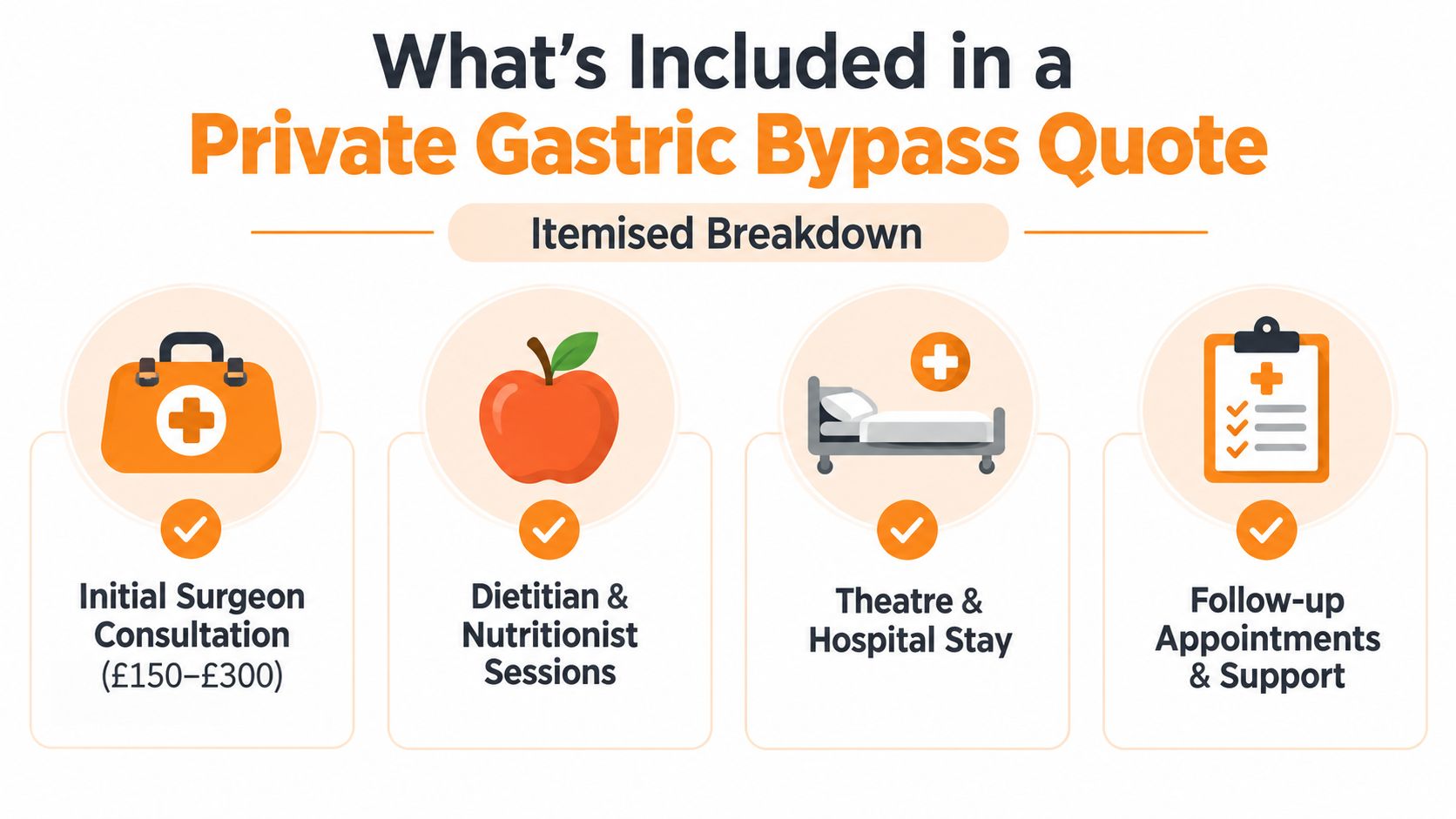
A private quote should read like an invoice, not an advert. Some providers sell a package covering the operation, hospital stay and routine follow-up. Others advertise only the surgical element, then add consultations, tests and professional fees later.
Before paying a deposit, request an itemised document. It should identify the surgeon's fee, anaesthetist, theatre, hospital stay, investigations, medicines and aftercare. If the provider refuses to separate those lines, choose another provider or ask why the quote is so vague.
The main cost lines
Published private price bands place the overall procedure in the £10,325 to £14,852 range nationally. Private Health's comparison makes clear that the operation name alone doesn't make two packages comparable.
A quote may include some or all of the following:
- Initial consultation: The first meeting with the surgeon may sit outside the package.
- Dietitian and psychology input: Some providers include these assessments. Others charge separately.
- Pre-operative checks: Blood tests, an ECG and a gastroscopy may apply where clinically needed.
- Surgical team fees: Confirm whether the surgeon and anaesthetist appear in the same quote.
- Theatre and hospital care: Check the planned stay, nursing care and routine hospital charges.
- Take-home medicines: Ask whether routine prescriptions and discharge medicines are included.
- Follow-up: Find out how many visits you receive, who provides them and what happens afterwards.
The provider page from Practice Plus Group lists £9,899 plus a £145 initial consultation for a Roux-en-Y or mini-gastric bypass. Its published pricing page is a useful reminder that a fixed operation price may still leave the first consultation outside the headline figure.
Questions that expose a weak quote
Ask these questions in writing:
- Is the quote fixed, or can the provider add routine charges?
- Does it include the surgeon and anaesthetist?
- Does it cover all planned pre-operative tests?
- How many nights in hospital does it include?
- Are histology and routine medicines included?
- How long does follow-up last?
- Who pays if you need treatment for a complication?
- Does the provider cover emergency readmission?
- What happens if you need revision surgery?
- What will each appointment cost after the package ends?
A particularly important question is whether the package covers complications within the provider's stated period. Don't assume it does. Get the answer in the contract.
You may also need pharmacy support after surgery, especially if swallowing tablets becomes difficult or your formulation needs change. Any online pharmacy service should assess you properly before supplying prescription medicines. For example, patients should understand how treatments for GLP-1-related nausea fit alongside surgical care, rather than adding medicines without clinical review.
The most useful comparison isn't “clinic A costs less than clinic B”. It's “which clinic gives me the clearest total cost and safest follow-up?”
Hidden and ongoing costs to budget for
The operation is one day. The financial commitment lasts much longer.
A private package may cover the surgical admission but exclude later blood tests, dietitian reviews, psychological support and treatment after the included follow-up period. Some providers offer a defined aftercare period, while others advertise longer support. Read the exact terms instead of relying on a sales conversation.
Costs that can appear after discharge
Bariatric surgery changes how your body handles food and nutrients. Your clinical team will normally prescribe or recommend ongoing supplements and monitoring. Common products include a bariatric multivitamin, vitamin B12, iron, calcium and vitamin D. Some patients also use protein powders.
Supplement costs vary by product and prescription status. Budget for them every month, and check whether your GP can prescribe anything appropriate. If prescription charges apply to you, include those in your household budget.
Possible additional costs include:
- Blood monitoring: Tests may continue through your GP or private provider.
- Dietitian appointments: Extra help can be useful when symptoms or eating patterns change.
- Psychological support: Emotional eating and body-image changes may need proper care.
- Emergency treatment: Bleeding, leaks, strictures or other problems can require urgent hospital assessment.
- Endoscopic treatment: A narrowing may need a procedure to widen it.
- Revision surgery: Further surgery can become a major separate expense.
- Time away from work: Your employer and job pattern will affect the financial impact.
Don't build a budget that ends on the day you leave hospital. Build it around the support you'll need afterwards.
A busy parent may need help with childcare, transport and food preparation. A shift worker may lose income while attending appointments at inconvenient times. A gym-goer may spend more on protein products while learning to eat smaller portions. Those costs aren't medical fees, but they still affect whether private treatment remains affordable.
| Cost item | Estimated range | Frequency |
|---|---|---|
| Supplements | About £20 to £50 a month | Ongoing |
| Private follow-up | Provider-specific | During and after the package |
| Blood tests | Provider-specific | As clinically advised |
| Dietitian support | Provider-specific | When needed |
| Psychological support | Provider-specific | When needed |
| Complication care | Impossible to predict | If required |
| Revision surgery | Impossible to predict | If required |
The verified UK pricing data supports a private market baseline, but it doesn't provide a reliable fixed 24-month total for every patient. That's important. Anyone promising a universal “all-in” lifetime figure is oversimplifying a variable clinical pathway.
Weight-loss medicines may also enter the conversation before or after surgery. Don't add a medicine such as Wegovy 2.4 mg without speaking to a prescriber who knows your surgical history and current treatment.
What pushes the price up or down
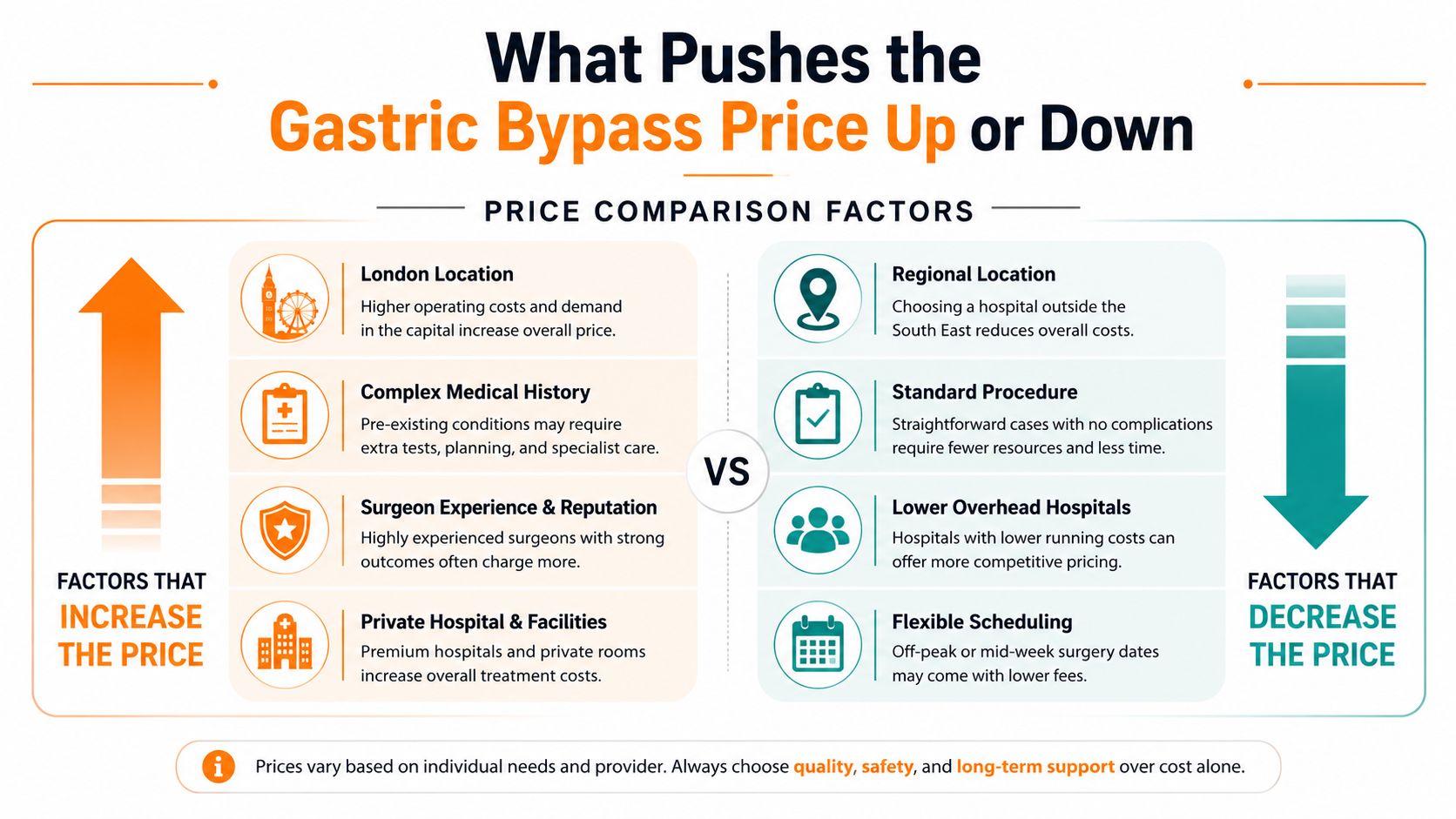
Two quotes can differ sharply even when both describe gastric bypass surgery. The difference usually comes from the hospital, professional fees, complexity and aftercare, not just the operation's name.
Regional pricing shows the pattern. Published figures place London within the M25 at about £12,215, while Scotland, the North and North East reach up to £14,755 in one comparison. The same source reports a national range of £10,325 to £14,852, so geography changes the number but doesn't create a simple “London always costs more” rule. Private Health's regional comparison is a useful benchmark.
The factors that matter most
- Hospital location: Theatre charges, staffing and property costs affect the quote.
- Case complexity: Previous abdominal surgery, sleep apnoea, diabetes or other health issues may need extra planning.
- Hospital support: A hospital with stronger critical-care facilities may cost more, but that support can matter clinically.
- Professional fees: The anaesthetist may bill separately.
- Length of stay: Additional nights can increase the final bill.
- Revision surgery: A first-time operation and a revision aren't interchangeable procedures.
A reputable surgeon won't reduce the assessment to BMI alone. They'll review your medical history, medicines, previous operations, anaesthetic risks and ability to follow long-term dietary advice.
This video can help you understand the wider pricing factors, but it shouldn't replace a written quote or a consultation with a registered bariatric team.
My rule of thumb is straightforward. A quote near the lower end needs more questions, not instant celebration. A quote near the upper end needs a clear explanation of what extra support, hospital capacity or complexity justifies it. You're buying safe care and reliable follow-up, not a bargain logo.
Prices for other weight-loss treatments can also change for supply and prescribing reasons. That doesn't make them substitutes for surgery. Read any explanation of why Mounjaro pricing may change with your own treatment plan in mind.
Financing, insurance and cost-saving options
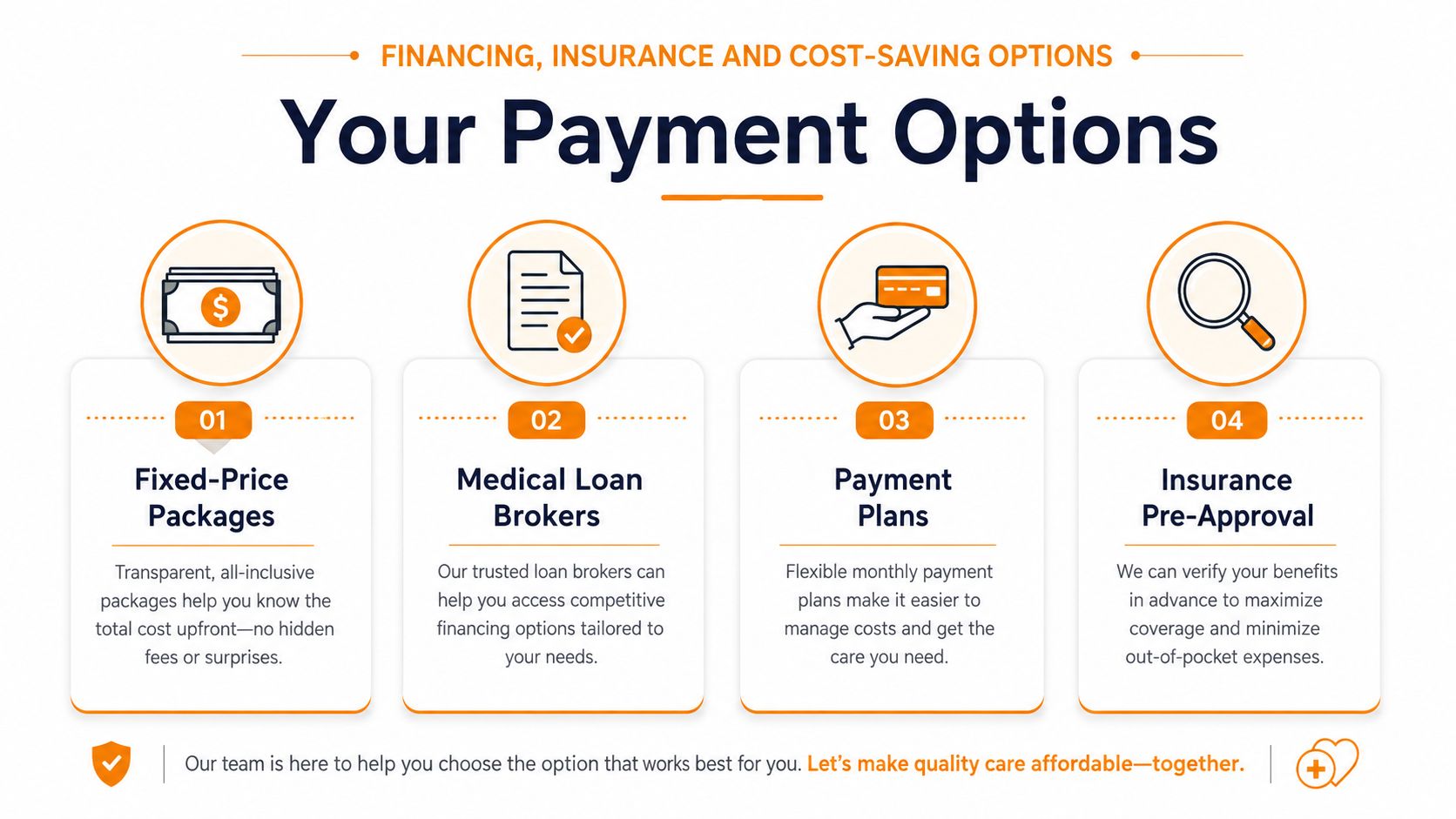
Most private patients need either savings, finance or both. A medical loan can make treatment manageable, but it can also turn a difficult decision into a long repayment commitment. Look at the total repayment, interest rate, fees and early-settlement terms, not just the monthly figure.
Specialist medical finance brokers may offer interest-free introductory arrangements or longer interest-bearing terms. Approval depends on your circumstances, and providers can change their terms. Compare any broker offer with a standard loan from a high-street bank or building society.
What may help with the bill
- Fixed-price packages: Start with providers that state exactly what their package includes.
- Medical finance: Ask for the total amount repayable before accepting credit.
- Private insurance: Check your policy directly. Bariatric exclusions are common, even where related medical conditions exist.
- Employer support: Some employers may consider surgery through occupational health or workplace health schemes.
- NHS funding: Ask your GP and ICB whether you meet the local pathway.
- Bundled assessments: Request one price for the consultation and pre-operative checks.
- Follow-up terms: Negotiate a clear aftercare period before booking.
Don't assume an NHS “top-up” arrangement will solve the problem. Such arrangements are restricted and handled case by case. Ask the relevant NHS service rather than relying on a clinic's interpretation.
Some providers may discuss quieter theatre sessions, teaching-hospital options or bundled testing. Those choices must never weaken your safety net. A cheaper hospital without appropriate emergency support isn't a saving.
Before signing, check the surgeon's registration with the General Medical Council, ask about specialist bariatric credentials, and confirm how the hospital handles urgent readmission and revision surgery. You can also use a regulated online pharmacy service in the UK only when its clinicians assess your needs and treatment safely.
Pharmacist's tip
Ask which supplements your surgical team expects you to take before you buy a large supply. Your needs can change, and a pharmacist can help check formulation, interactions and how to take medicines after surgery.
Pharmacist's tip
Keep an up-to-date medicines list for every consultation. Bariatric surgery can change how you tolerate medicines, so your surgeon, GP and pharmacist need the same information.
Pharmacist's tip
Don't crush or open modified-release medicines unless a clinician tells you to. Some formulations can become unsafe or ineffective when altered.
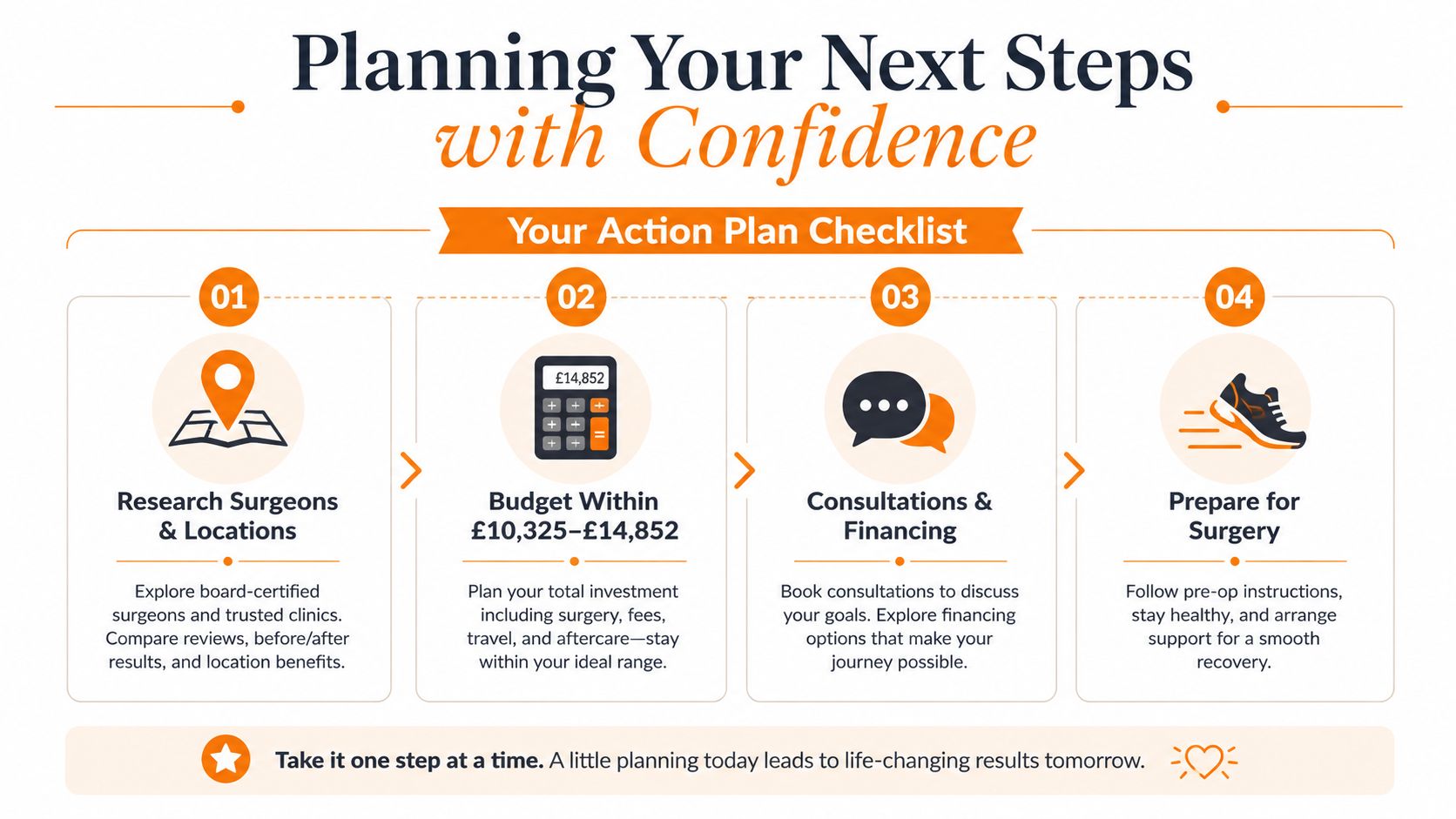
Planning your next steps with confidence
Start with two routes, not one. Ask your GP about an NHS referral and local eligibility, while collecting private quotes if speed or choice matters to you. NHS care is free at the point of delivery, but the route depends on local commissioning and clinical criteria.
For private care, use the national published range of £10,325 to £14,852 as a comparison point, not a promise. Wecovr's guide to private gastric bypass options highlights the gap between a headline package and the questions patients need answered about assessments, hospital care and follow-up.
Take this checklist to your consultation
- Is the surgeon on the GMC specialist register?
- What bariatric training and experience does the surgeon have?
- What does the quote include line by line?
- Who pays for emergency readmission?
- What happens if you need revision surgery?
- How long does aftercare last?
- What supplement budget should you plan for?
- Which blood tests will you need, and who arranges them?
- What support exists if eating, pain or mood becomes difficult?
A supplement budget of around £20 to £40 each month is a planning figure suggested in the brief, but product choice and prescription arrangements vary. Ask your team for a personal estimate before you commit.
Read reliable information about weight-loss treatment options and discuss alternatives with a qualified clinician. Surgery is a major treatment, not a retail purchase, so don't rush towards the cheapest quote.
Your support network matters too. Arrange help with transport, meals, childcare and work before your admission. Whether you choose the NHS or private route, a GP appointment is a sensible starting point.
In summary:
- Private gastric bypass commonly costs £10,325 to £14,852.
- A realistic working budget may be £12,000 to £15,500.
- NHS funding depends on eligibility and local commissioning.
- Private quotes differ because package contents differ.
- Aftercare and supplements can continue long term.
- Ask for complication and revision terms in writing.
- Choose the safest complete pathway, not the lowest headline price.
Safety note: Seek urgent medical help after surgery for severe or worsening abdominal pain, repeated vomiting, breathing difficulty, fainting, heavy bleeding or signs of infection. Call NHS 111, attend A&E or call 999 according to the severity of the symptoms.
Frequently asked questions
How much does gastric bypass surgery cost privately in the UK?
Published private prices range from £10,325 to £14,852 across UK providers. A fixed provider price may be lower, but you must check whether it excludes consultation, tests, medicines or extended aftercare. Private Health's cost comparison provides a useful benchmark.
Is gastric bypass surgery free on the NHS?
NHS treatment is free at the point of delivery when you meet the relevant clinical criteria and your local service commissions the pathway. England generally considers BMI of 40 kg/m² or above, or BMI 35 to 39.9 kg/m² with a significant obesity-related condition, after non-surgical treatment hasn't worked well enough. Local rules still decide access.
What BMI do I need for NHS gastric bypass surgery?
The broad NICE-based thresholds are BMI 40 or above, or BMI 35 to 39.9 with a significant obesity-related condition. Your local NHS service may apply additional requirements around previous treatment, health, readiness and referral. Ask your GP or ICB for the current policy.
Does a private quote include the anaesthetist?
Sometimes, but not always. Never assume the anaesthetist's fee sits inside the headline price. Ask the provider to state this clearly in the written quote.
Do I have to pay for supplements after gastric bypass?
You should expect ongoing supplement and monitoring needs after gastric bypass. The products, doses and costs depend on your clinical plan, prescription arrangements and blood results. Your bariatric team and pharmacist can help you choose suitable formulations.
What hidden costs should I ask about?
Ask about pre-operative tests, dietitian and psychology appointments, medicines, extra hospital nights, follow-up after the package ends, emergency readmission and revision surgery. Also budget for travel, time away from work and practical support at home. These items can matter as much as the operation fee.
Can private medical insurance cover gastric bypass surgery?
Coverage depends on the specific policy, and exclusions for weight-loss surgery are common. Ask your insurer for written confirmation before booking any consultation or operation. Don't rely on a clinic's general statement about insurance.
Can I finance gastric bypass surgery?
Some providers and specialist brokers offer medical finance. Compare the total repayment, interest, fees and early-repayment rules with ordinary bank lending. Borrowing should never pressure you into choosing a provider before you've checked its safety and aftercare.
Should I choose the cheapest gastric bypass quote?
No. Compare the complete package, including hospital support, professional fees, follow-up and complication cover. A higher quote may include services that a cheaper quote bills separately, while a low quote with weak aftercare can become expensive later.
Suggested internal links
- Weight-loss treatment options
- GLP-1-related nausea support
- Wegovy 2.4 mg weight-loss injection
- Why Mounjaro pricing may change
- Online pharmacy services in the UK
Article information
Byline: Medical Mojo editorial team, UK health information writers.
Clinical review: This article should be clinically reviewed by a UK-registered pharmacist or bariatric clinician before publication.
How this content was created: We used the verified UK pricing, NHS tariff and eligibility information supplied for this article, then checked the wording for clear patient guidance, source attribution and safety points. It's informational only and isn't a substitute for advice from your GP, surgeon, pharmacist or other qualified clinician.
References
- Practice Plus Group. (n.d.) Mini gastric bypass surgery and weight-loss surgery pricing. Available at: Practice Plus Group.
- Private Health. (n.d.) Gastric bypass surgery costs in the UK. Available at: Private Health.
- NHS England. (2023) 2024/25 National Payment System prices workbook. Available at: NHS England workbook.
- Bolt Pharmacy. (n.d.) Gastric bypass and sleeve surgery eligibility guidance. Available at: Bolt Pharmacy.
- Wecovr. (n.d.) Private gastric bypass surgery options in the UK. Available at: Wecovr.
- Courier Pharmacy. (n.d.) Weight-loss treatment options. Available at: Courier Pharmacy.
Meta description: Gastric bypass surgery costs in the UK explained, including NHS eligibility, private prices, hidden fees, aftercare, finance and practical quote checks.
If you're comparing gastric bypass with supervised weight-loss medicines or need help reviewing treatment options, visit Courier Pharmacy. Its UK pharmacy team provides clinician-led consultations, prescription support and follow-up, so you can make a safer, better-informed plan.


