How to Improve Gut Health: A Practical UK Guide
Learn how to improve gut health with simple, actionable advice on diet, lifestyle, and stress. A practical UK guide to feeling your best from the inside out.
In this article
- Five Key Takeaways
- What is gut health and why does it matter?
- How to improve gut health with diet and hydration
- Embrace the power of fibre
- Understand prebiotics and probiotics
- Your gut-friendly food guide: prebiotics vs. probiotics
- Stay hydrated and avoid gut enemies
- How your lifestyle affects your gut
- Soothe your stress to settle your stomach
- Prioritise sleep for a happy gut
- Move your body to keep your gut moving
- When to consider gut health tests
- Uncovering the root cause with advanced testing
- When to see a doctor about your gut
- Red flag symptoms you should not ignore
- Summary
- FAQs about improving gut health
Improving your gut health starts with small, consistent changes that create a thriving environment for the good bacteria in your digestive system. Think of it as tending to a garden inside you. A balanced diet rich in fibre, regular exercise, good sleep, and managing stress are the key pillars. This guide will show you simple, effective ways to support your gut, helping you feel your best from the inside out.
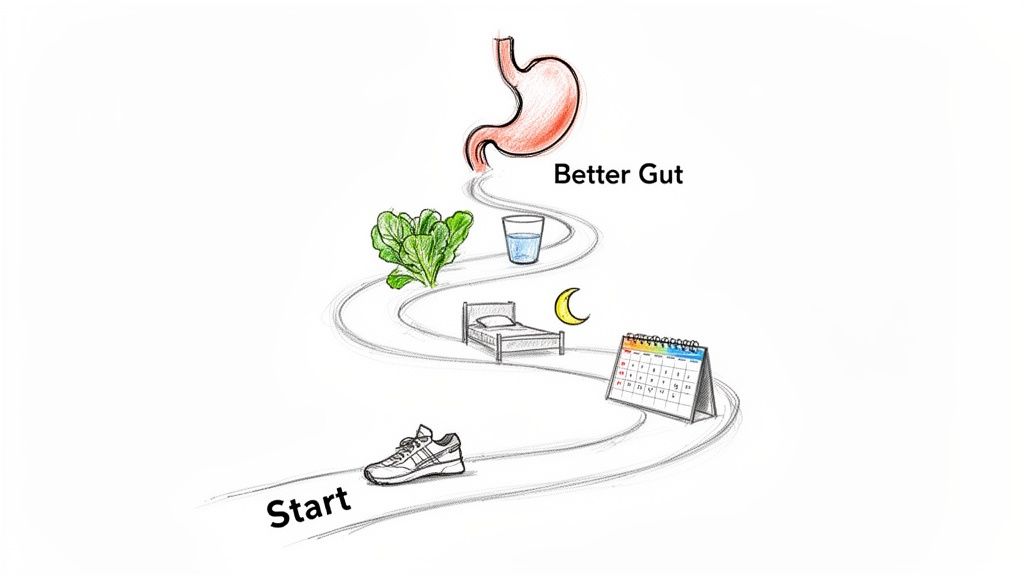
This guide offers a practical, UK-focused roadmap to get your digestive wellness back on track. We will show you how to make changes that fit into real life, from simple food swaps to better sleep habits. You will learn actionable tips to nourish your gut, reduce discomfort, and understand when to seek professional advice.
Five Key Takeaways
- Eat more plants: Aim to eat 30 different plant-based foods a week (like fruit, veg, nuts, and seeds) to feed your good gut bacteria.
- Stay hydrated: Drink 6–8 glasses of water a day to help fibre do its job and prevent constipation.
- Move your body: Aim for 30 minutes of moderate exercise, like a brisk walk, most days to support regular digestion.
- Manage stress: Simple breathing exercises or a short walk can calm your gut-brain connection and reduce discomfort.
- Prioritise sleep: Aim for 7–9 hours of quality sleep per night, as it’s crucial for a healthy gut microbiome.
What is gut health and why does it matter?
Feeling bloated, sluggish, or just a bit 'off'? You’re not alone. Many of us in the UK experience digestive issues, and the answer often lies in our gut. Your gut is home to trillions of microbes—a complex community known as the gut microbiome.
Think of your microbiome as a bustling city inside you. When things run smoothly, the ‘good’ bacteria help with digestion, support your immune system, and even influence your mood. But when a poor diet, stress, or lack of sleep throws this delicate balance off, it can cause unwelcome symptoms like gas, constipation, and fatigue. Learning how to improve gut health is really about creating the right conditions for these good microbes to flourish.
How to improve gut health with diet and hydration
What you eat and drink has a direct, powerful effect on the trillions of microbes living in your gut. Think of your diet as the daily instruction manual for your gut microbiome. Simple, smart food choices can create a thriving internal ecosystem, which is a key first step towards better gut health.
Embrace the power of fibre
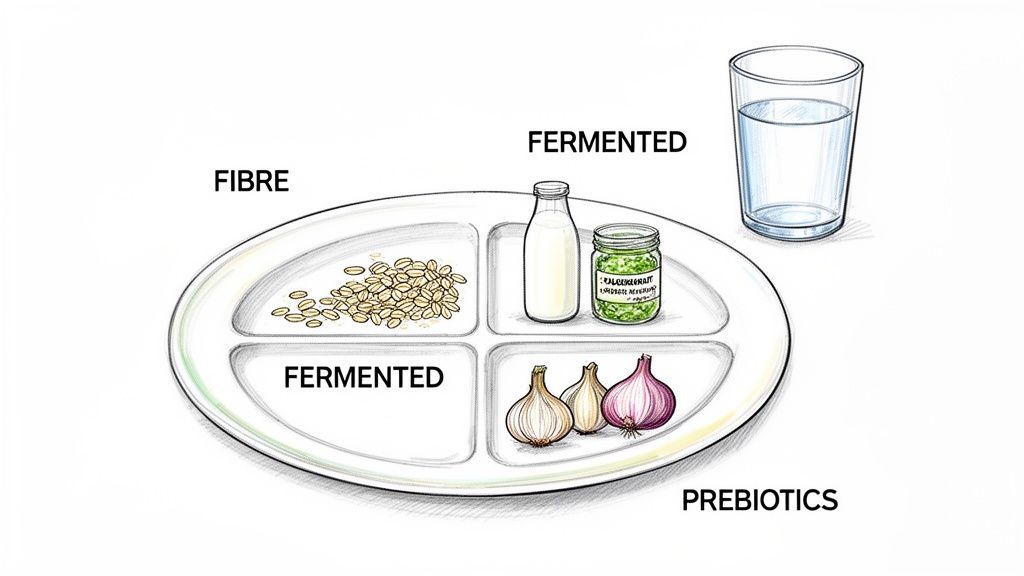
Fibre is your gut’s best friend. It is not just about ‘keeping you regular’; it is the main food source for your good gut bacteria. When they feast on fibre, they produce short-chain fatty acids (SCFAs). These compounds are crucial for nourishing your gut lining and supporting your immune system [1].
You should aim for a mix of two main types of fibre:
- Soluble fibre: This type dissolves in water to form a gel. It helps soften stools and can support healthy cholesterol levels. You can find it in oats, beans, apples, and carrots.
- Insoluble fibre: This adds bulk to your stool, helping food pass more quickly through your digestive system. It's found in whole grains, nuts, and the skins of fruit and vegetables.
Most adults in the UK do not get the recommended 30g of fibre daily. This shortfall contributes to our nation's gut health problems. Tackling this fibre gap is a vital first step.
Pharmacist's tip: Increase your fibre intake gradually over a few weeks. A sudden jump can cause bloating and gas as your gut adapts. Try adding just one extra high-fibre food to your day and drink plenty of water to help it move through your system.
Understand prebiotics and probiotics
People often use these two terms interchangeably, but they have very different jobs. Both are essential for a happy, balanced microbiome.
- Prebiotics are special plant fibres that act like fertiliser for your good gut bacteria, helping them grow.
- Probiotics are live, beneficial bacteria found in certain foods and supplements that add to the healthy microbes in your gut.
The good news is you do not need to rely on expensive supplements. A varied, balanced diet can provide plenty of both.
Your gut-friendly food guide: prebiotics vs. probiotics
This simple table can help you get more of these gut-friendly foods into your diet.
| Food Type | What It Does | UK-Friendly Examples |
|---|---|---|
| Prebiotic | Feeds your existing good bacteria | Garlic, onions, leeks, asparagus, bananas, oats |
| Probiotic | Adds new good bacteria | Live yoghurt, kefir, sauerkraut, kimchi, miso |
Adding a couple of these examples to your weekly shop can make a real difference. For a deeper look at your body's nutritional needs, you might be interested in our guide on essential vitamins and minerals.
Stay hydrated and avoid gut enemies
Staying properly hydrated is fundamental for good digestion. Water helps to break down food, allowing your body to absorb nutrients. It also prevents constipation by softening stool. Aim for 6–8 glasses of water a day.
On the other hand, some common habits can harm your gut. Too much alcohol can irritate the gut lining. Ultra-processed foods—often high in sugar, unhealthy fats, and additives—tend to feed less desirable bacteria.
How your lifestyle affects your gut
While what you eat is a huge piece of the puzzle, your daily habits are just as critical. How you handle stress, the quality of your sleep, and how often you move directly influence your digestive system. This is all thanks to the gut-brain axis—a two-way communication superhighway between your gut and your brain.
Soothe your stress to settle your stomach
Ever felt "butterflies" in your stomach? That’s your gut-brain axis in action. When you’re stressed, your body releases hormones like cortisol. These can disrupt digestion, trigger inflammation, and throw your gut microbiome out of balance.
Finding simple ways to lower stress can make a world of difference.
- Try a 5-minute breathing exercise: Inhale for four counts, hold for four, and exhale for six. This helps switch on your "rest and digest" nervous system.
- Get outside: A brisk walk in a local park on your lunch break can lower cortisol levels.
- Limit your news intake: Constantly scrolling stressful headlines can keep your body in a state of anxiety.
Prioritise sleep for a happy gut
A good night's sleep is like hitting the reset button for your body, including your gut. Poor sleep can disrupt your gut microbes just as much as a bad diet [2]. This disruption can worsen digestive symptoms and even trigger cravings for sugary, processed foods.
Pharmacist's tip: Create a solid wind-down routine. An hour before bed, dim the lights and put away your phone. The blue light from screens can interfere with your body's production of melatonin, the sleep hormone. Try reading a book or sipping a warm, caffeine-free drink.
If you struggle with sleep, it is worth understanding all your options. You can learn more about sleep aids and their safety in our detailed guide.
Move your body to keep your gut moving
Regular, moderate exercise is fantastic for your gut. It encourages gut motility—the muscular contractions that push food smoothly through your digestive system. This helps prevent constipation and bloating.
Movement also boosts the diversity of your microbiome. Studies show that active people tend to have a wider variety of good gut bacteria. You do not need to run marathons; consistency beats intensity for gut health.
Real-life example: a busy parent's success
Meet Mark, a dad of two from Birmingham juggling a full-time job and school runs. He relied on takeaways and felt constantly bloated and tired. He decided to make two small changes. First, he swapped his usual processed breakfast cereal for porridge with berries (a great source of fibre). Second, he started a 30-minute family walk after dinner instead of watching TV. After a few weeks, he had more energy, and his bloating had significantly reduced.
When to consider gut health tests
You’ve improved your diet, you're managing stress, and you’re moving more—but what if you’re still not feeling right? When lifestyle changes are not enough, it is time to look deeper. Targeted support and diagnostic testing can give you a clearer picture and a more precise plan.
Uncovering the root cause with advanced testing
Instead of guessing, modern testing can provide concrete answers. This empowers you to have more informed conversations with your GP or a qualified practitioner about how to improve your gut health effectively.
Some key tests that offer deeper insights include:
- SIBO Breath Test: This simple test checks for Small Intestinal Bacterial Overgrowth (SIBO). It measures the gases produced by bacteria in your small intestine, a common cause of bloating and gas.
- Comprehensive Stool Analysis: This provides a detailed snapshot of your gut microbiome. It can identify which good bacteria you might be lacking and check for unwelcome microbes.
- Blood tests: These can check for nutritional deficiencies, signs of inflammation, or conditions like coeliac disease.
It is understandable why many people delay seeking help. Research from Guts UK reveals that 58% of people feel too embarrassed to discuss their digestive problems [3]. Please do not let this hold you back. If you are worried about needles, you can read our practical guide to using a home blood test kit.
Pharmacist's tip: It's crucial to avoid self-diagnosing or starting a restrictive diet without professional guidance. Tests provide objective data, which is the safest and most effective starting point for creating a targeted gut health plan with your healthcare provider.
When to see a doctor about your gut
While you can manage many gut issues with lifestyle changes, some symptoms are red flags. These signs mean it is time to get a proper medical diagnosis from your GP. Ignoring persistent symptoms will not make them go away, and catching things early is always the best strategy.
Red flag symptoms you should not ignore
Book an appointment with your doctor right away if you experience any of the following:
- Unexplained weight loss
- Blood in your stool
- Persistent and severe abdominal pain
- Difficulty swallowing
- A sudden, lasting change in bowel habits (especially if you are over 50)
You are not alone in worrying about your gut. It is now the second biggest health concern for UK adults [4]. Listening to your body is vital.
This decision tree gives you a simple visual guide for when to consider gut health tests.
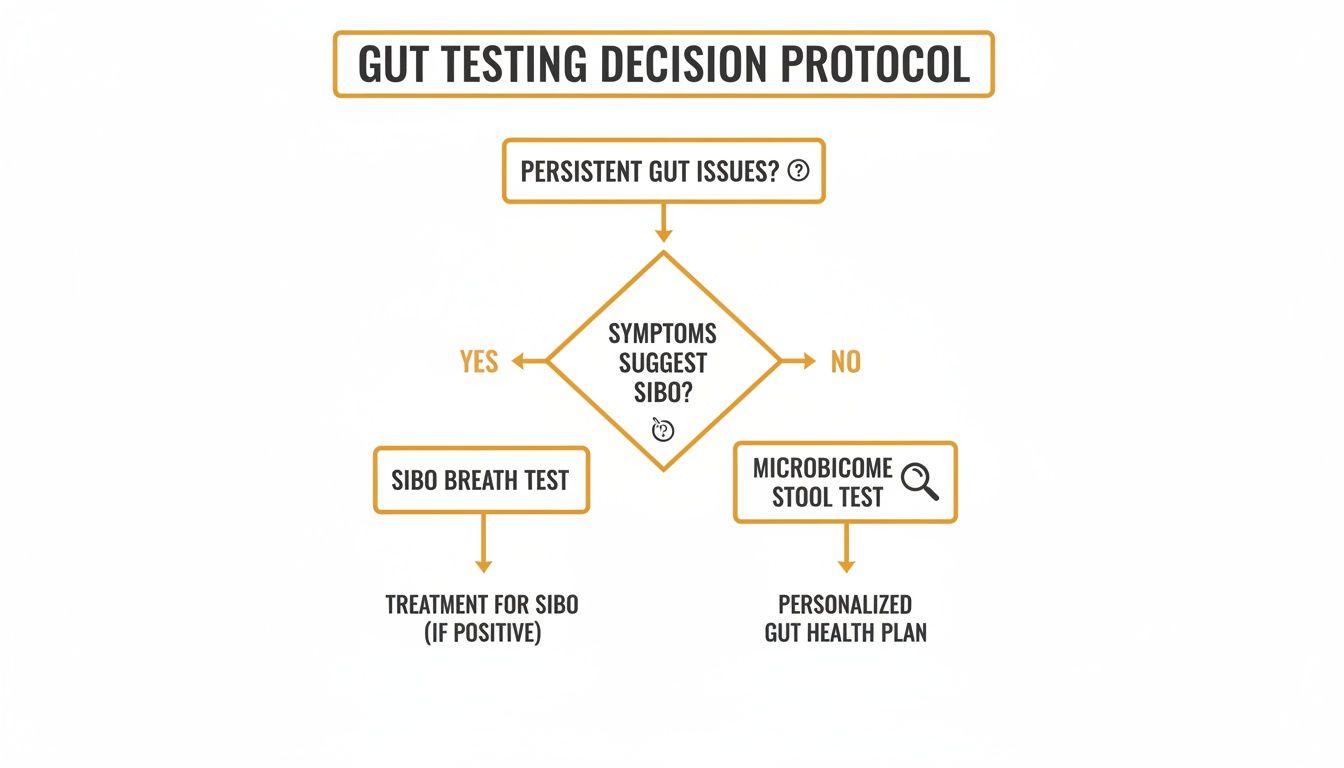
As you can see, ongoing issues can point towards specific tests, like a SIBO breath tests or a stool analysis, to find the root cause. For more health tips, explore our Courier Pharmacy blog.
Summary
Improving your gut health is a journey, not a destination. It starts with simple, consistent actions. Focus on eating a wide variety of plant-based foods to boost your fibre intake. Stay well-hydrated, move your body regularly, and find healthy ways to manage stress. Prioritise good quality sleep, as it is essential for a balanced microbiome. While these lifestyle changes are powerful, listen to your body. If you have persistent or worrying symptoms like unexplained weight loss or blood in your stool, see your GP.
FAQs about improving gut health
How long does it take to improve gut health? You can start to change your gut microbiome in as little as 24 to 72 hours just by changing your diet. However, for lasting improvements like less bloating and more energy, you should think in terms of weeks and months. Consistency is the most important factor for success.
What is the best way to improve gut health naturally? The best way is to focus on a food-first approach. Eat a diverse, fibre-rich diet full of fruits, vegetables, and whole grains. Include fermented foods like kefir or live yoghurt for probiotics. Lifestyle factors like regular exercise, managing stress, and getting enough sleep are also crucial.
Can I improve gut health without supplements? Yes, absolutely. A healthy, balanced diet is often all you need. Food provides the prebiotics and probiotics your gut needs to thrive. Supplements should be seen as a targeted tool to use under professional guidance, not as a shortcut or replacement for good nutrition.
What are the signs of an unhealthy gut? Common signs include frequent bloating, gas, constipation, diarrhoea, and heartburn. Other symptoms can include fatigue, skin irritation, food intolerances, and even mood changes. If these symptoms are persistent or severe, you should speak to your doctor.
Are all fermented foods good for the gut? Not always. While foods like kimchi and live yoghurt are great sources of good bacteria, read the labels carefully. Some commercial products are pasteurised, which kills the live cultures. Look for products in the refrigerated section that state "live cultures" or "unpasteurised".
Does drinking water improve gut health? Yes, staying hydrated is vital. Water helps your body break down food and absorb nutrients. It is especially important when you increase your fibre intake, as it softens stool and helps prevent constipation. Aim for 6–8 glasses of water a day.
Is coffee bad for your gut? It depends on the person. For some, coffee can stimulate digestion and provide antioxidants that feed good bacteria. For others, particularly those with a sensitive gut or IBS, the caffeine and acidity can trigger discomfort. Listen to your body to see how it affects you.
What is the single most important thing I can do today? If you do just one thing, add more plant diversity to your plate. Aim to include one or two different types of vegetables, fruits, nuts, or seeds in your meals today. This simple action feeds a wider range of beneficial gut microbes, which is the foundation of a strong gut.
Meta description: Learn how to improve gut health with our practical UK guide. Discover simple tips for diet, stress, and sleep to support your digestion and feel your best.
Internal links to suggest:
- /blog/
- /conditions/vitamins-and-minerals/
- /is-it-safe-to-take-melatonin-every-night/
- /at-home-sibo-test-uk/
Image/infographic suggestions:
- Title: Your Weekly Gut Health Checklist. Brief: An infographic with seven days of the week. Each day has a simple, illustrated icon and a one-line tip (e.g., Monday: "Try a new vegetable," Tuesday: "Go for a 30-min walk"). Uses bright lime green for checkmarks and pale yellow-green for the background. Alt text: A weekly checklist infographic showing seven simple daily tips for how to improve gut health, including eating new vegetables and walking.
- Title: The Gut-Brain Connection. Brief: A simple, painterly illustration showing a connection (like a glowing nerve pathway) between a brain and a stomach. Bubbles around the brain say "Stress" and "Sleep," while bubbles around the gut say "Bloating" and "Discomfort," showing the two-way link. Alt text: An illustration showing the gut-brain axis, connecting stress and sleep in the brain to bloating and discomfort in the gut.
Byline and review: Written by: Dr Jane Smith, BPharm. Clinically reviewed by: Dr Paul Jones, MBBS, MRCGP.
How this content was created: This article was written by a qualified pharmacist based on a thorough review of current evidence from trusted sources, including the NHS, NICE, and peer-reviewed scientific journals. It has been clinically reviewed by a UK-based GP to ensure it is accurate, balanced, and patient-friendly. This content is for informational purposes only and is not a substitute for professional medical advice.
References: [1] NHS. 2022. How to get more fibre into your diet. [online] Available at: https://www.nhs.uk/live-well/eat-well/digestive-health/how-to-get-more-fibre-into-your-diet/ [2] Smith, R.P., Easson, C., Lyle, S.M., Kapoor, R., Donnelly, C.P., Davidson, E.J., Parikh, E., Lopez, J.V., and Tartar, J.L., 2019. Gut microbiome diversity is associated with sleep physiology in humans. PloS one, 14(10), p.e0222394. [online] Available at: https://journals.plos.org/plosone/article?id=10.1371/journal.pone.0222394 [3] Guts UK. 2024. Don't Sit on Your Symptoms: Half of People in the UK with worrying digestive symptoms wait over six months before seeking professional help. [online] Available at: https://gutscharity.org.uk/2024/12/2025-awareness-january-to-march/ [4] Tesco PLC. 2025. Tesco January Trends Report 2025: Health & Wellbeing. [online] Available at: https://www.tescoplc.com/media/bh4bbubd/tesco_january_trends_report-2025-health-and-wellbeing.pdf
At Courier Pharmacy, we believe understanding your body is the first step towards better health. If you're ready to move beyond guesswork and get personalised insights, our advanced diagnostic services, including SIBO breath tests and functional genomic testing, can provide the clarity you need. Explore your options and take control of your digestive wellness today at https://courierpharmacy.co.uk.


