Your Guide to the Testosterone Blood Test in the UK
Considering a testosterone blood test? This guide explains why and when to get tested, how to understand your results, and your options in the UK.
In this article
- Five Key Takeaways
- Signs you might need a testosterone test
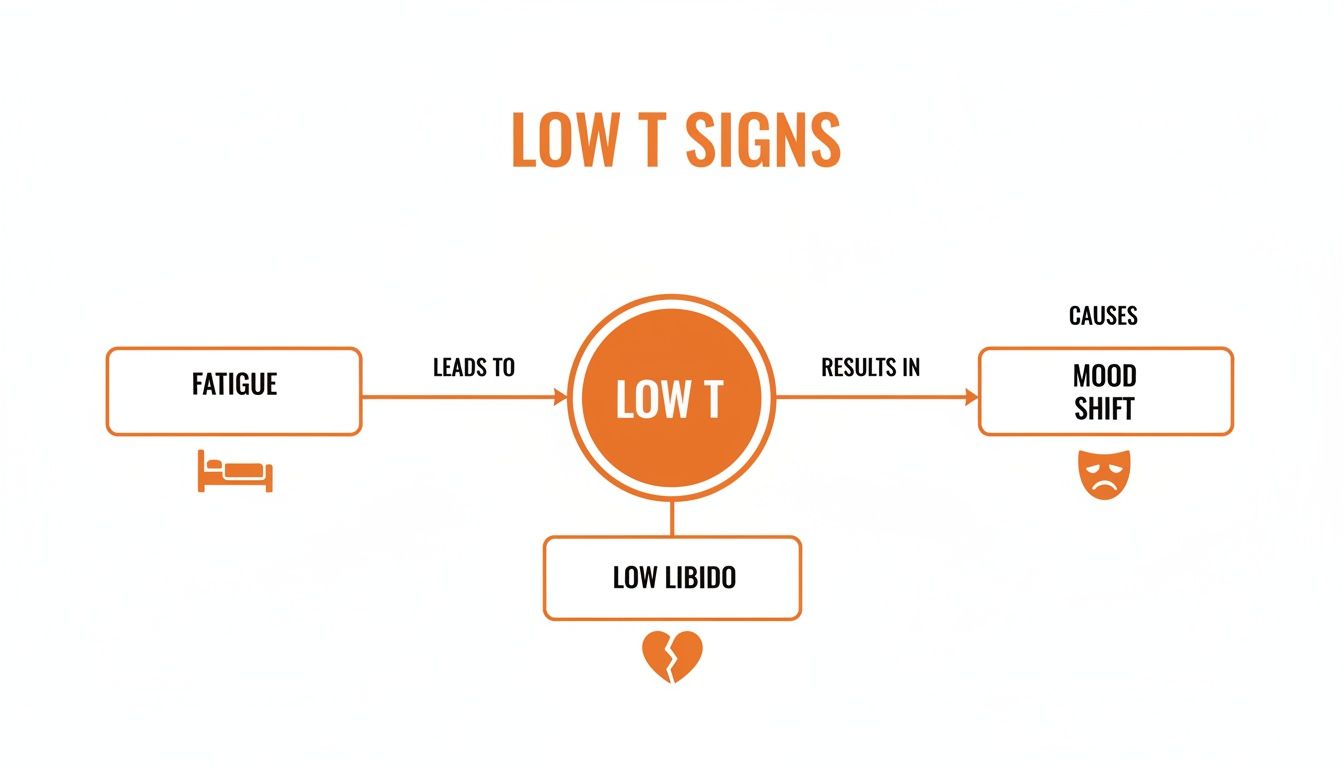
- Common symptoms of low testosterone
- Real-life example: The busy shift worker
- Why are symptoms often ignored?
- How to prepare for your test and understand the results
- Preparing for an accurate result
- Understanding the numbers on your report
- Interpreting UK reference ranges
- How to get a testosterone blood test in the UK
- The traditional NHS route
- The convenience of private testing
- At-home testing: What are my options?
- Real-life example: The busy gym-goer
- What happens after you get your results
- Discussing your results with a clinician
- Understanding Testosterone Replacement Therapy (TRT)
- Summary
- FAQs
- How much does a testosterone blood test cost in the UK?
- Is a finger-prick testosterone test accurate?
- Can I improve my testosterone levels naturally?
- How long does it take to get results from a home test?
- When is the best time of day to do a testosterone test?
- Do I need to get a re-test if my results are low?
A testosterone blood test is a simple lab test that measures the amount of testosterone hormone in your blood. It's the most reliable way to find out if your levels are low, which could explain symptoms like constant fatigue, low sex drive, or mood changes. If you've been feeling off and can't figure out why, a test can provide clear answers and be the first step towards feeling like yourself again.
This guide will walk you through the entire process in plain English. We'll explain why you might need a test, how to prepare for it, and what your results actually mean. You'll also learn about the different testing options available in the UK, from your local GP to convenient at-home kits.
Five Key Takeaways
- Symptoms Matter: Persistent tiredness, low libido, and mood swings are common signs of low testosterone.
- Morning is Best: For accurate results, always take your blood sample between 7 am and 11 am.
- "Normal" Varies: A result that's 'normal' on paper might still be too low for you. Context is key.
- You Have Options: You can get tested via the NHS, a private clinic, or an easy-to-use home test kit.
- Talk to an Expert: Always discuss your results with a clinician to understand what they mean for your health.
Signs you might need a testosterone test
Feeling that something isn’t quite right is often the first sign. It’s easy to blame symptoms like constant tiredness on a busy job or the stresses of modern life. However, sometimes a hormonal imbalance is the real culprit.
Learning to spot these signs is the first step. It helps you get a clearer picture of your health and decide if it's time to get a testosterone blood test.
Common symptoms of low testosterone
The signs of low testosterone can be both physical and mental. They often appear gradually, and you might have one or several of them.
Key symptoms to watch for include [1]:
- Persistent fatigue: This is a deep, ongoing exhaustion that sleep doesn’t seem to fix.
- Reduced sex drive (libido): A noticeable drop in your interest in sex is a classic red flag.
- Loss of muscle mass: You might find it harder to build muscle or feel you're losing strength.
- Mood changes: This can include increased irritability, low mood, or a lack of motivation.
- Erectile dysfunction: Difficulty getting or keeping an erection can be linked to low testosterone.
Pharmacist's tip: Before seeing a clinician, keep a simple symptom diary for a couple of weeks. Note your energy levels, mood, sleep, and libido. This gives your healthcare provider a much clearer picture to work with.
Real-life example: The busy shift worker
Take Mark, a 45-year-old warehouse manager working shifts. He felt constantly drained, struggled to focus, and lost all motivation for his usual weekend kickabouts. He put it all down to his demanding job and just getting older.
After a chat with his partner, he decided to get a testosterone blood test. The results showed his levels were clinically low. This gave him a concrete reason for his symptoms—it wasn't just "burnout." This knowledge empowered him to seek medical advice and look into options like Testosterone Replacement Therapy (TRT).
Why are symptoms often ignored?
Mark’s story is very common. Many men in the UK may struggle with similar symptoms without linking them to testosterone. A 2023 UK study found that while nearly half of men had symptoms suggesting a deficiency, only 5% had ever been diagnosed via a blood test [2].
This points to a huge gap in awareness. Men often don't connect the dots between how they feel and their hormone levels. You can read the full research on this underdiagnosis problem to see the scale of the issue. A simple blood test is often the first step in managing your health proactively. You can even learn about the development of testosterone replacement therapy in our detailed timeline.
How to prepare for your test and understand the results
Getting a reliable testosterone blood test result isn't just about the test itself. Your actions in the hours leading up to it are just as important. Think of it like preparing for an important meeting—you want to show up at your best to get a true picture.
Proper preparation is essential. It ensures the numbers on your report reflect your genuine baseline. This helps you avoid misleading results that could cause worry or lead to the wrong decisions.
Preparing for an accurate result
Timing is everything with testosterone. Your levels naturally peak in the morning. This is why your blood sample must be collected between 7 am and 11 am [3]. A test taken later in the day could show a falsely low number.
To get the most accurate reading, follow these simple rules:
- Avoid heavy exercise: Skip intense gym sessions for at least 24 hours before your test.
- Be well-rested: A good night's sleep is crucial, as poor sleep can lower testosterone.
- Stay calm: High stress can affect your hormone balance, so try to relax on the day.
- Check if you need to fast: Some tests require you to avoid food and drink (except water) for 8-12 hours. Always check the specific instructions with your test kit.
Don't fixate on a single test result. Testosterone levels can fluctuate daily. If your first reading is borderline or low, a clinician will almost always recommend a second test to confirm before making a diagnosis.
Understanding the numbers on your report
Your results will show a few different figures. The two that matter most are total testosterone and free testosterone.
- What is total testosterone? This measures all the testosterone in your blood.
- What is free testosterone? This measures the testosterone that is "free" and available for your body's cells to use. It is the active form of the hormone.
A good clinician will analyse both figures, not just the total level. Our practical guide to using a home blood test kit in the UK provides more detail on preparing for your test.
Interpreting UK reference ranges
Making sense of your results can be confusing. Different labs often use slightly different reference ranges. In fact, a 2018 audit of UK labs found major inconsistencies in how testosterone was measured and reported [4]. This shows how important expert interpretation is.
The table below outlines common NHS reference ranges. It also includes the perspective of functional medicine, which looks at what's optimal for health.
Understanding UK Testosterone Reference Ranges for Adult Males
| Testosterone Level (nmol/L) | Common Interpretation (NHS) [5] | Functional Medicine Perspective | Recommended Action |
|---|---|---|---|
| Above 12 | Normal: Your level is considered within the typical healthy range. | May still be suboptimal depending on your age and symptoms. | Monitor symptoms. If issues persist, discuss optimising levels with a clinician. |
| 8 to 12 | Borderline: Your level is on the low side of the normal range. | Considered low and likely contributing to symptoms. | A re-test is strongly advised. Discuss lifestyle changes and symptoms with a clinician. |
| Below 8 | Low: Suggests potential testosterone deficiency (hypogonadism). | Clearly indicates a deficiency that requires medical attention. | Further investigation is essential. A clinician will discuss treatment options. |
Remember, this table is a guide, not a diagnosis. A good clinician will always interpret your results in the context of your age, symptoms, and overall health.
How to get a testosterone blood test in the UK
You’ve noticed some symptoms and you’re ready for answers. So, how do you actually get a testosterone blood test in the UK? The good news is you have a few different options, depending on your priorities for speed, cost, and convenience.
Whether you prefer the NHS or a private route, understanding the process is the first step. Let’s walk through your main choices.
The traditional NHS route
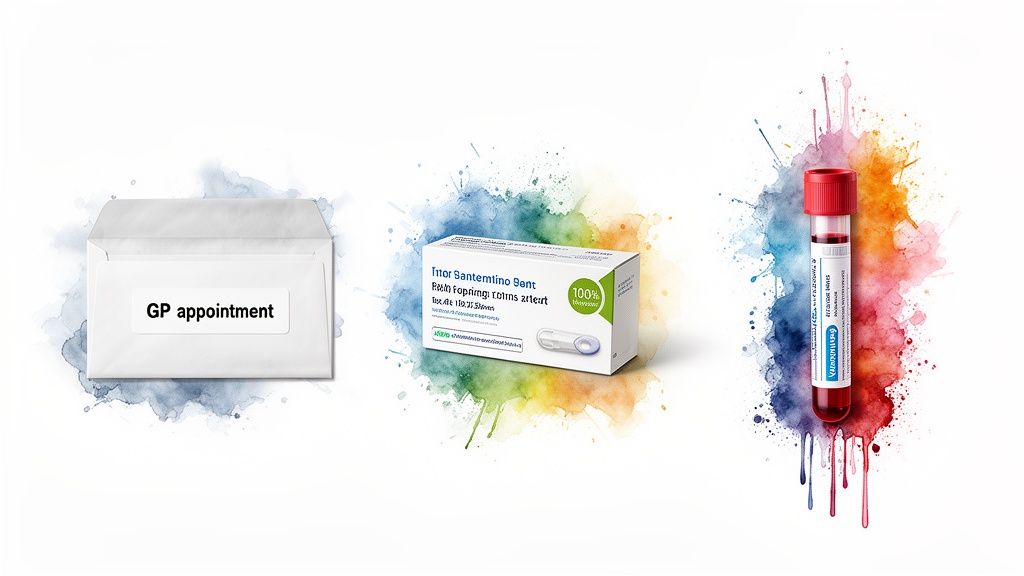
For most men, their local GP is the first stop. You can book an appointment to discuss your symptoms. If your doctor agrees a test is needed, they will arrange one for you at a local clinic.
This route is the most cost-effective option. However, it can sometimes be slow. You may face a wait for both the GP appointment and the blood test itself.
The convenience of private testing
If you want answers quickly, private testing is a great alternative. These services let you bypass potential NHS waiting times. You often get your results in just a few days.
You generally have two private options:
- At-home test kits: These are delivered to your door so you can collect the sample yourself.
- Private venous blood draws: A trained professional takes a blood sample from a vein in your arm.
At-home testing: What are my options?
At-home testing is popular because it's simple and private. You collect a small blood sample yourself, post it in a pre-paid envelope, and send it to a certified lab. The two main methods are:
- Finger-prick test: You use a tiny lancet to prick your fingertip and collect a few drops of blood.
- Venous blood draw at home: Some services send a phlebotomist to your home. They take a "gold standard" venous sample from your arm, offering clinical accuracy without leaving the house.
Real-life example: The busy gym-goer
James, a 32-year-old fitness enthusiast, felt his gym progress had stalled and his energy was low. He couldn't find a GP appointment that fit his work schedule. He ordered a private at-home test online, did the finger-prick sample on a Monday morning, and had his results by Wednesday. This gave him the fast, clear answers he needed to decide his next steps.
For many, a private option like a TRT Eligibility Home Blood Testing Kit is a practical way to get a quick, comprehensive picture of your hormone levels.
What happens after you get your results
You have your testosterone blood test results. That number is an important piece of the puzzle, but it's just the start of a conversation. It doesn't tell the whole story.
A follow-up with a qualified clinician is essential. They will review your results in the context of your symptoms, age, and lifestyle to see the bigger picture.
Discussing your results with a clinician
This consultation is your chance to understand what's going on and ask questions. Your clinician will explain what your specific numbers mean for you.
Based on that conversation, a few things might happen:
- Lifestyle adjustments: If your levels are borderline low, simple changes can help. Your clinician may suggest tweaks to your diet, exercise, sleep, and stress management.
- Further tests: If your results are clinically low, your clinician will want to dig deeper. They will likely order more tests to find the root cause and rule out other health issues.
- Considering treatment: For men with confirmed low testosterone (hypogonadism) and significant symptoms, Testosterone Replacement Therapy (TRT) might be an option.
Pharmacist's tip: Prepare for your follow-up appointment. Bring your symptom diary, a list of your medications and supplements, and any questions you've written down. This helps your clinician give you the best advice.
Understanding Testosterone Replacement Therapy (TRT)
If your clinician mentions TRT, know that this is a major medical decision. It is a long-term treatment that requires proper medical supervision and a real commitment from you.
While TRT can be life-changing for men with a diagnosed deficiency, it is not for everyone. Starting TRT is a partnership between you and your healthcare provider. You will need regular check-ups and blood tests to monitor your hormone levels and ensure the treatment is safe and effective. A broad panel like our Male Hormone Health Check is a great place to start your health journey.
Summary
If you're dealing with symptoms like constant fatigue or low mood, a testosterone blood test is a powerful first step. Getting a clear, accurate result is simple with the right preparation, and you have several convenient testing options in the UK. You can start with a chat with your GP or explore a private service that fits your life. The most important thing is to get answers, not just put up with symptoms that harm your quality of life.
Pharmacist's tip: Getting tested gives you hard data. It turns vague feelings into concrete numbers. This empowers you to have a much more productive conversation with a healthcare professional about what’s really going on and what to do next.
If you are worried about any symptoms, please discuss them with a clinician.
FAQs
How much does a testosterone blood test cost in the UK?
The cost of a testosterone blood test varies. An NHS test via your GP is free but may involve waiting times. Private at-home finger-prick tests typically start from around £30. More comprehensive panels or venous blood draws can cost over £100, offering greater convenience and speed.
Is a finger-prick testosterone test accurate?
Yes, finger-prick tests from a reputable provider using a UKAS-accredited lab are highly accurate. The key is collecting the sample correctly. You must provide enough blood for the lab to analyse. Always follow the kit instructions carefully for a reliable result.
Can I improve my testosterone levels naturally?
Yes, lifestyle changes can make a big difference, especially for borderline-low levels. Effective natural strategies include regular strength training, getting 7–9 hours of quality sleep, managing stress, and eating a balanced diet rich in protein, healthy fats, zinc, and vitamin D.
How long does it take to get results from a home test?
One of the main benefits of a private home test is speed. After you post your sample, you can typically expect your results within 2–5 working days. A clinician usually reviews the lab report before sharing it with you, often including helpful notes or advice.
When is the best time of day to do a testosterone test?
The best time is in the morning, between 7 am and 11 am. Your testosterone levels are naturally at their highest during these hours. Testing later in the day can give a falsely low reading and may not reflect your true baseline levels.
Do I need to get a re-test if my results are low?
Yes, if your initial test shows a low or borderline result, a confirmatory test is almost always required. Testosterone levels can fluctuate, so a second test helps to confirm a consistent deficiency. A clinician will not usually make a diagnosis or recommend treatment based on a single result.


