What Are the Real Testosterone Replacement Therapy Benefits in the UK?
Discover the real testosterone replacement therapy benefits. Our guide explains how TRT can boost energy, mood, and vitality for men with low testosterone.
In this article
- Five key takeaways
- Could low testosterone be affecting you?
- Connecting the dots in everyday life
- Key signs of low testosterone
- A deeper look at the benefits of TRT
- Restoring energy and fighting fatigue
- Enhancing mental clarity and mood
- Improving physical health and body composition
- What UK men report after starting TRT
- Finding out if TRT is right for you
- Who is a suitable candidate for TRT?
- When TRT is not the right choice
- The diagnostic journey demystified
- Managing potential risks and side effects
- Common side effects and how we manage them
- Important health considerations
- Taking the next step to reclaim your vitality
- How to start your journey with confidence
- Summary
- FAQs about TRT
- How long does it take to feel the benefits of TRT?
- Is testosterone replacement therapy safe for long-term use?
- Will TRT make me aggressive or cause “roid rage”?
- Can I stop TRT once I start it?
- How much does TRT cost in the UK?
- Does TRT increase the risk of prostate cancer?
- Meta description
- Byline and review
- How this content was created
- References
- Image / infographic ideas
The key benefits of testosterone replacement therapy (TRT) are life-changing improvements in energy, mood, sex drive, and body composition for men with medically confirmed low testosterone. It's not a magic pill, but for those with a genuine deficiency, TRT restores the hormonal balance needed to feel energised and healthy again.
Think of low testosterone as running your body's engine on fumes. TRT effectively refills the tank. This guide will walk you through exactly what those benefits look like in everyday UK life, who is a suitable candidate, and how to approach treatment safely. We'll cover everything from real-life examples to pharmacist-led safety tips, so you have a clear, honest picture of what to expect.
Five key takeaways
- TRT is for diagnosed deficiency: It is a medical treatment for men with consistent low T symptoms and blood tests to prove it.
- Benefits are holistic: Expect boosts in energy, mental clarity, and mood, alongside physical changes like more muscle and less fat.
- Safety comes first: Proper TRT is always medically supervised with regular blood tests to manage risks and fine-tune your dose.
- Results take time: You may feel mood and energy lifts in 3–6 weeks, but physical changes can take 3–6 months.
- Fertility is a key consideration: TRT suppresses sperm production, so discuss your family plans with your prescriber before starting.
Could low testosterone be affecting you?
Before we dive into the testosterone replacement therapy benefits, let’s identify the problem. Are you constantly drained, even after a full night's sleep? Have you lost your motivation or sex drive? These aren't just signs of stress or getting older; they could be your body signalling a hormonal imbalance.
Many men dismiss these issues. But they often point to an underlying medical condition: low testosterone, or hypogonadism. Recognising the symptoms is the first step toward finding the root cause and feeling like yourself again.
Connecting the dots in everyday life
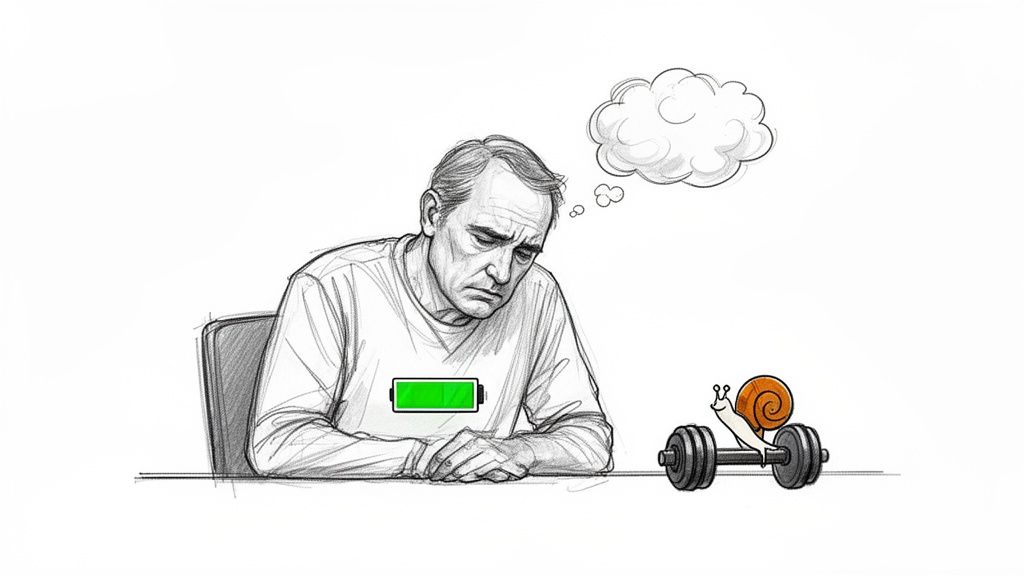
The effects of low testosterone can creep up on you. They are often subtle but persistent drains on your daily life. Think of them as warning lights on your car's dashboard—easy to ignore, but they signal something needs a proper look.
Let's explore a couple of realistic UK scenarios that might sound familiar.
The tired office worker
David, a 42-year-old project manager in London, used to be sharp and focused. Now, he battles "brain fog" in meetings and feels irritable with his team. He relies on coffee to get through the day. Despite sleeping seven hours a night, he wakes up feeling completely drained.
The frustrated gym-goer
Mark, a 35-year-old shift worker in Manchester, loves the gym. But his progress has stalled. He feels weaker, his recovery is slow, and he’s losing muscle despite a good diet. The drive he once had is gone, replaced by fatigue and frustration.
Key signs of low testosterone
These scenarios highlight a clear pattern. The symptoms of low testosterone can be both physical and mental, often chipping away at your quality of life.
Here are the key signs to watch for:
- Persistent fatigue: A deep tiredness that sleep doesn't fix.
- Reduced libido: A noticeable drop in your interest in sex.
- Erectile dysfunction: Difficulty getting or keeping an erection.
- Mood changes: Feeling more irritable, down, or lacking motivation.
- Decreased muscle mass: Losing muscle and strength despite regular exercise.
- Increased body fat: Gaining weight, especially around your middle.
- Brain fog: Trouble with concentration, memory, and mental sharpness.
- Poor sleep quality: Waking up feeling unrefreshed.
Pharmacist's tip: Remember, these symptoms can also point to other health issues like thyroid problems or depression. Self-diagnosing based on symptoms alone is unreliable. The only way to know for sure is with a blood test.
If these signs resonate with you, a comprehensive Male Hormone Health Check is the logical next step. It provides the clear, data-driven answers needed for an informed conversation with a doctor.
A deeper look at the benefits of TRT
When low testosterone is dragging you down, restoring your levels can feel like switching the lights back on. The benefits of testosterone replacement therapy work together to bring back your overall sense of vitality. Let’s break down exactly what that looks like.
Imagine going from feeling constantly drained to feeling driven and ready to take on the day. That’s the core promise of TRT for men with a confirmed deficiency. We'll explore how it tackles fatigue, clears away mental fog, and brings about significant physical changes.
Restoring energy and fighting fatigue
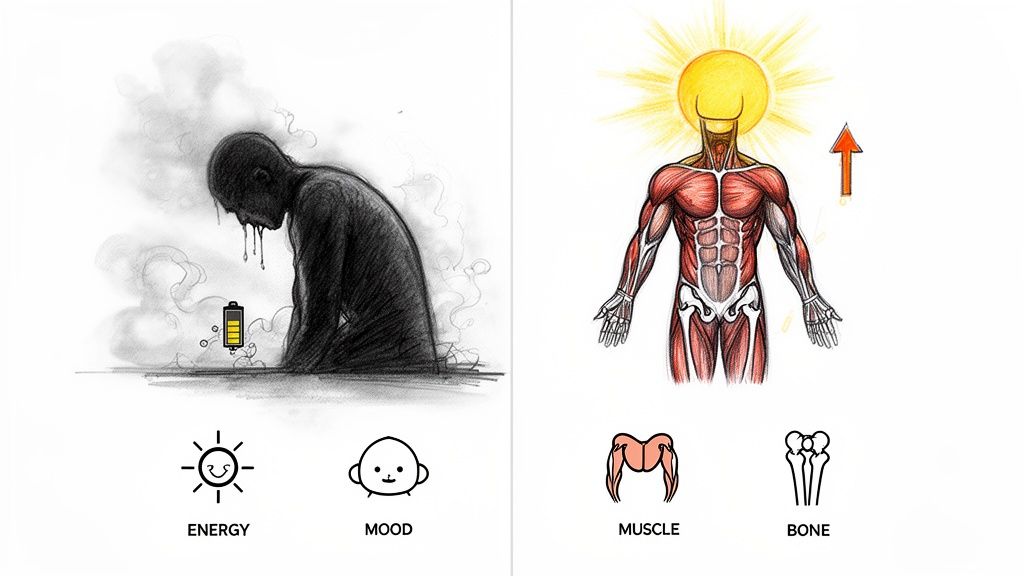
One of the first and most profound changes men report is a huge lift in their energy levels. This isn't a temporary buzz from coffee; it's a deep, sustained return of your natural stamina.
Low testosterone causes a persistent fatigue that sleep cannot fix. TRT gets to the root cause by restoring the hormonal balance your body needs for efficient energy production. Many men find their afternoon slumps disappear, giving them more drive for work and family time.
Enhancing mental clarity and mood
Testosterone plays a crucial part in your mental and emotional wellbeing. That frustrating brain fog, irritability, and low mood are all classic symptoms of low T. Correcting this imbalance can feel like a heavy weight has been lifted.
Many men on TRT experience:
- Sharper focus: Tasks that felt overwhelming become manageable again.
- Improved mood: A sense of calm replaces feelings of agitation.
- Increased motivation: The drive to pursue goals often comes roaring back.
This mental uplift helps you feel more like yourself. It doesn't change your personality; it just removes the hormonal static that's been interfering with it.
Improving physical health and body composition
Testosterone is a key regulator of fat, muscle, and bone. When your levels are low, the body tends to store more fat and struggles to build muscle. Here’s how TRT helps.
| Area of Improvement | How TRT Helps | Typical Timeline |
|---|---|---|
| Body Composition | Helps reduce body fat (especially belly fat) and increase lean muscle mass. | 3–6 months |
| Bone Density | Strengthens bones by improving calcium absorption, reducing the risk of osteoporosis. | 6+ months |
| Libido & Sexual Function | Restores sex drive and can improve erectile function in some men. | 1–2 months |
Pharmacist's tip: Timelines for results vary. You might feel improvements in mood and energy within the first 3 to 6 weeks. However, physical changes like increased muscle mass and reduced body fat are more gradual and typically become noticeable after 3 to 6 months of consistent treatment.
What UK men report after starting TRT
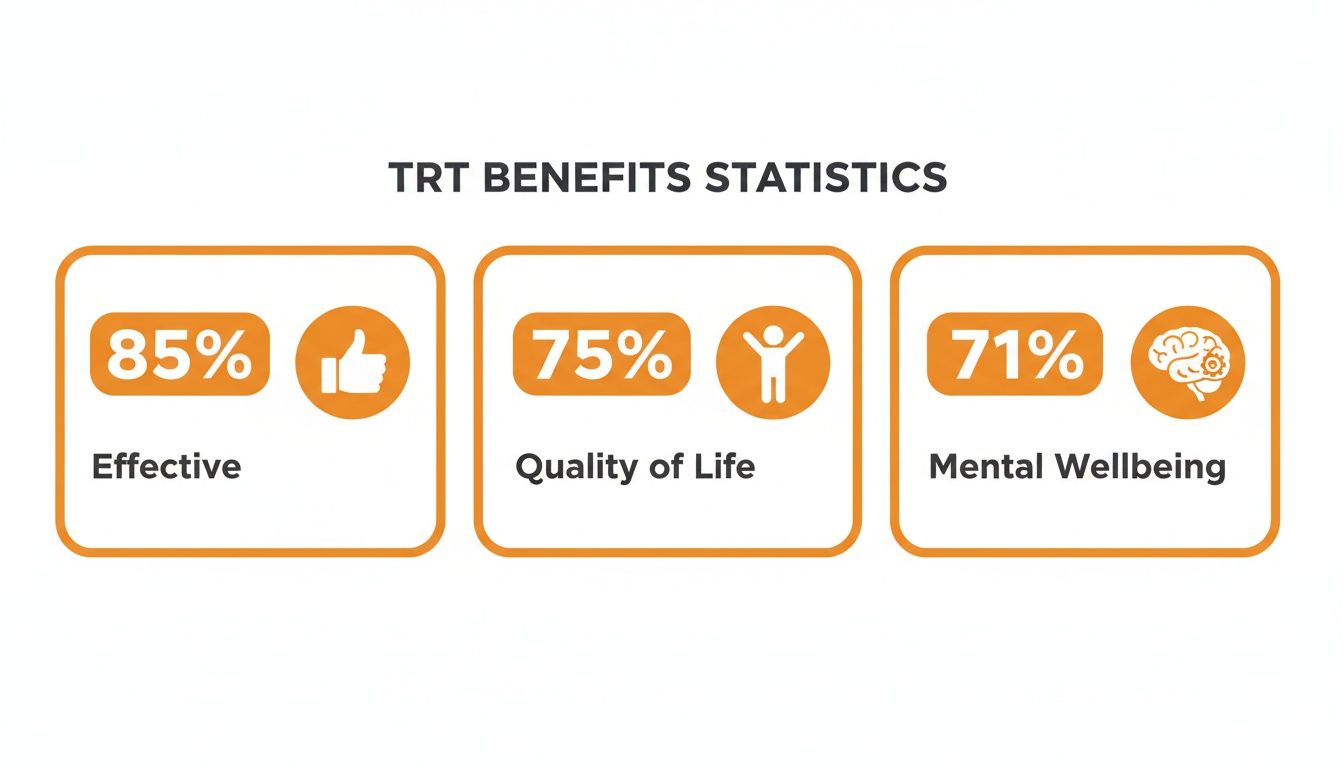
But what do the numbers say? A landmark UK-based survey gave us some crystal-clear insights. It revealed that a remarkable 85% of men on TRT found it effective or very effective [1].
Even more telling, 75% experienced a notable boost in their overall quality of life. This highlights that TRT is about holistic health, not just one or two symptoms. For example, 71% of men reported better mental wellbeing, feeling less brain fog and more motivated.
The journey back to feeling your best is unique for everyone. When considering any treatment, you must weigh the potential rewards against the risks under professional medical guidance. To see how we do this, you can learn more about our approach to TRT services.
Finding out if TRT is right for you
Recognising the symptoms of low T is the first step, but it doesn't automatically mean TRT is for you. This treatment is a specific medical therapy for men who have both persistent symptoms and blood tests that confirm a clinical deficiency.
Deciding to start TRT is a significant health decision. It needs a careful, evidence-based approach to ensure it’s both safe and appropriate for your situation. Let's look at who makes a good candidate and, just as importantly, who does not.
Who is a suitable candidate for TRT?
A suitable candidate is a man who ticks two essential boxes. First, he experiences ongoing symptoms of low testosterone, like chronic fatigue or a non-existent libido. Second, his blood tests confirm low levels of testosterone on more than one occasion. A single test isn't enough; levels need to be consistently low.
This dual requirement ensures that we only give treatment to those with a genuine medical need, not men simply looking for a performance boost.
When TRT is not the right choice
Safety is everything. TRT is not recommended in certain situations, which are known as contraindications (reasons not to take a treatment).
TRT may not be suitable if you have:
- Active prostate or breast cancer: Testosterone can stimulate these cancers.
- A high red blood cell count (haematocrit): TRT can increase this further, raising clot risk.
- Severe, untreated sleep apnoea: TRT can sometimes worsen this condition.
- Uncontrolled heart failure: TRT can cause fluid retention, adding strain to the heart.
- Plans to have children soon: TRT suppresses sperm production and causes temporary infertility.
A thorough medical consultation will always review your full health history to rule out these risks.
The diagnostic journey demystified
So, how do you get from suspecting low T to knowing for sure? The process is straightforward and starts with gathering clear evidence.
- Symptom Assessment: You start with a detailed questionnaire about how you're feeling.
- Blood Testing: This is the critical step. A blood test measures your total and free testosterone levels.
- Professional Consultation: A qualified prescriber reviews your symptoms and blood test results with you to discuss if TRT is a suitable option.
For many men in the UK, this journey can now start from home. Services like our TRT Eligibility Home Blood Testing Kit make this first step convenient and reliable.
Managing potential risks and side effects
Any effective medical treatment requires an honest conversation about safety. While TRT is life-changing for the right person, it has potential risks that need proper management. The goal is not to scare you, but to give you the full picture so you can make an informed decision.
This is why a professionally supervised medical programme is the only safe way forward. Your health is always the number one priority.
Common side effects and how we manage them
Most side effects from TRT are manageable. Many can be prevented with precise dosing and regular check-ins. A good prescriber uses your blood tests to stay one step ahead, making small tweaks to keep your body balanced.
Some common potential side effects include:
- Oily skin or acne: This is usually sorted with a good skincare routine or minor dose adjustments.
- Fluid retention: Some men notice mild swelling. Your clinician can easily manage this with you.
- Changes in red blood cell count: Testosterone can increase red blood cells. Regular blood tests are crucial to monitor this and keep it in a safe range.
Pharmacist's tip: Be upfront with your prescriber about any changes you notice, no matter how minor they seem. Honest communication is the key to getting your treatment just right.
Important health considerations
Beyond common side effects, a few key health areas need careful, proactive monitoring. This is a core part of any reputable TRT service in the UK.
Prostate health
Current evidence is clear: TRT does not cause prostate cancer [2]. However, if a cancer is already present, testosterone could encourage it to grow. That's why your prescriber will monitor your prostate-specific antigen (PSA) levels before and during treatment.
Fertility and sperm production
This is a big one for men who might want children in the future. TRT signals your body to stop its own testosterone production. This also suppresses sperm production, causing temporary infertility. This is often reversible after stopping TRT, but it is not a guarantee.
If you want to preserve your fertility, you must discuss this with your prescriber before starting. You can use other options, like adding HCG (Human Chorionic Gonadotropin), to help maintain testicular function.
While TRT is the go-to for low testosterone, it’s also useful to understand how other related medications work. For example, you can learn more by reading our article on whether Tadalafil 5mg can increase testosterone.
Taking the next step to reclaim your vitality
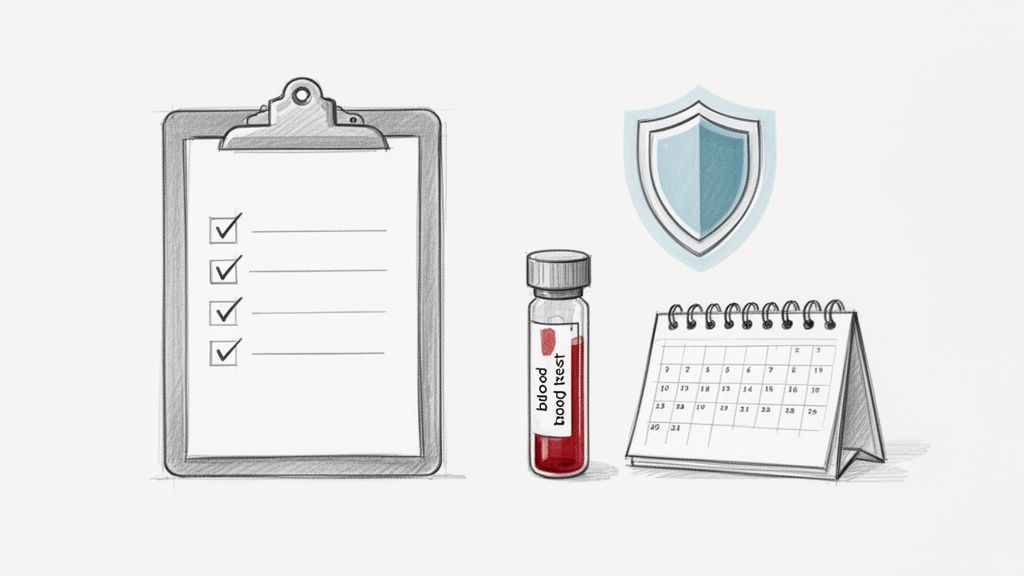
The key takeaway is this: testosterone replacement therapy delivers genuine benefits, but it’s a serious medical treatment reserved for men with a diagnosed clinical need. It must be managed by qualified professionals who put your health first. This is the only way to get the best results while minimising risks.
How to start your journey with confidence
If the symptoms we've discussed feel familiar, the path forward is simple. At Courier Pharmacy, we have refined our process to empower you to find answers safely and discreetly.
It boils down to three straightforward steps:
- Complete a Symptom Assessment: Start by filling out a secure online form to give our prescribers a clear snapshot of your health.
- Order a Comprehensive Blood Test: Use our simple at-home blood testing kit to get a precise reading of your hormone levels.
- Consult with a Qualified Prescriber: A UK-based prescriber will review your symptoms and blood work with you, and answer all your questions.
This structured process eliminates uncertainty and puts expert medical guidance at the centre of your decision. Taking that first step can feel like a big deal, but our goal is to make it as smooth and reassuring as possible. You can learn more about how our online pharmacy UK services support your health journey.
Summary
In summary, the benefits of testosterone replacement therapy are extensive for men with a diagnosed deficiency. TRT can significantly boost energy, improve mood and mental clarity, increase muscle mass, reduce body fat, and restore libido. It’s not a lifestyle drug, but a medical treatment that requires proper diagnosis through symptoms and blood tests. Safe, long-term success depends entirely on professional medical supervision, regular monitoring, and honest communication with your healthcare provider. When managed correctly, TRT can help you reclaim your vitality and get back to feeling like your true self.
FAQs about TRT
How long does it take to feel the benefits of TRT?
Most men notice improvements in mood, energy, and libido within 3 to 6 weeks. Physical changes, such as increased muscle mass and reduced body fat, typically become more apparent after 3 to 6 months of consistent treatment.
Is testosterone replacement therapy safe for long-term use?
Yes, when managed by a qualified medical professional, TRT can be safe for long-term use. Safety relies on regular blood tests, follow-up consultations, and dose adjustments to keep your hormone levels within a healthy range and minimise potential side effects.
Will TRT make me aggressive or cause “roid rage”?
No, this is a common myth. "Roid rage" is associated with the abuse of high-dose anabolic steroids. Medically supervised TRT aims to restore your testosterone to a normal, healthy level. Most men report feeling calmer, less irritable, and more emotionally stable.
Can I stop TRT once I start it?
You can stop TRT, but it's not a short-term cure. When you stop, your body's natural testosterone production will still be suppressed, and your levels will likely return to their previous low state. The original symptoms, like fatigue and low libido, will usually reappear.
How much does TRT cost in the UK?
The cost of private TRT in the UK typically ranges from £80 to £150 per month. This fee usually includes the medication, initial consultations, and ongoing monitoring with regular blood tests. Providers like Courier Pharmacy offer clear, all-inclusive plans.
Does TRT increase the risk of prostate cancer?
No, current scientific evidence shows that TRT does not cause prostate cancer in men with normal prostate exams and PSA levels. However, it can stimulate the growth of an existing cancer, which is why regular PSA monitoring is a crucial safety check during treatment.
Disclaimer: This article is for informational purposes only and does not constitute medical advice. Always consult with a qualified healthcare professional for any health concerns or before making any decisions related to your treatment.
Meta description
Discover the life-changing testosterone replacement therapy benefits for UK men, from renewed energy and mood to improved physical health. Learn how TRT works, who it's for, and the importance of safe, medical supervision.
Byline and review
Written by: The Courier Pharmacy Clinical Team Clinically reviewed by: Scott McDougall, MPharm, Superintendent Pharmacist
How this content was created
This article was written by our in-house clinical team, drawing on information from trusted sources like the NHS, NICE guidelines, and peer-reviewed medical journals. The content was then reviewed for clinical accuracy by our superintendent pharmacist to ensure it is safe, clear, and trustworthy.
References
- Hackett G, et al. The UK registry of testosterone deficiency in men: the role of the specialist. Aging Male. 2017;20(3):156-162. Available from: https://www.tandfonline.com/doi/full/10.1080/13685538.2017.1322661
- Mulhall JP, et al. Testosterone Therapy and Prostate Cancer. Sexual Medicine Reviews. 2021;9(2):237-246. Available from: https://academic.oup.com/smr/article/9/2/237/5869911
Image / infographic ideas
Idea 1: "The Upward Spiral of TRT Benefits" Infographic
- Concept: A central male figure starts at the bottom looking tired (greyscale). As a spiral staircase of benefits ascends, he becomes more vibrant and energetic (full colour). Each step is a benefit: "Better Mood" (3-6 weeks), "Higher Libido" (1-2 months), "More Muscle" (3-6 months), "Stronger Bones" (6+ months).
- Palette: Bright lime green for the upward spiral, pale yellow-green background, light grey for text.
- Style: Painterly character, with ornate brass plaque overlays for the text on each step.
- Alt text: "Infographic showing the timeline of testosterone replacement therapy benefits, starting with improved mood and energy and progressing to increased muscle mass and bone density."
Idea 2: "Is TRT Right for You?" Checklist Visual
- Concept: A simple, elegant visual checklist. Two columns: "Symptoms to Watch For" (with icons for fatigue, low mood, brain fog) and "Essential Medical Checks" (with icons for a blood test vial, a doctor's consultation).
- Palette: Light grey background, with lime green checkmarks and icons. Pale yellow-green accents.
- Style: Steampunk-inspired icons (e.g., gears for brain fog, a classic medical bag for consultation) set against a clean, modern layout.
- Alt text: "A visual checklist outlining the key symptoms of low testosterone and the necessary medical steps, like blood tests and consultations, for a TRT diagnosis."


