What Happens if a Guy Takes Birth Control
Curious about what happens if a guy takes birth control? Discover the real effects, risks, side effects, and UK medical guidance
What happens if a man takes the combined oral contraceptive pill? It will not work as contraception for him or prevent pregnancy. Repeated use may disturb hormone signals and cause effects such as lower testosterone, mood changes or breast tenderness.
The result depends on which medicine is taken, the amount and frequency, and how it interacts with the body's hormones. The combined pill contains oestrogen and progestogen. These hormones can interfere with signals that normally regulate testosterone and sperm production in the testes.
A single accidental tablet is unlikely to cause lasting harm, and many people notice no symptoms. Regular exposure is different because the hormonal effect is repeated. It still does not provide reliable male contraception.
This distinction matters when separating accidental exposure from experimental male contraceptives. Products being researched for men aim to reduce sperm production deliberately, whereas a female contraceptive pill is not designed or regulated for that purpose in a male body.
Five key takeaways
- The combined pill won't prevent pregnancy for a man. Its main actions involve ovulation, cervical mucus and the womb lining, which do not apply to a male body. NHS guidance on the combined pill
- One accidental dose is unlikely to cause a major problem. Repeated exposure is more likely to cause noticeable hormonal effects.
- Regular exposure can reduce available testosterone. Libido, mood, energy, skin and breast tissue may be affected.
- Male hormonal contraception remains experimental in the UK. Condoms and vasectomy are the available male methods. [1]
- Seek urgent help for possible blood-clot symptoms. Sudden chest pain, breathing difficulty or one-sided leg swelling needs prompt assessment.
The short answer on men and birth control pills
The combined oral contraceptive pill doesn't work as male contraception. A man taking it will not reliably stop producing sperm, so it cannot be used to prevent pregnancy with a partner. Its intended effects concern the female reproductive system, not male fertility. NHS guidance
The pill mainly prevents pregnancy by stopping ovulation, thickening cervical mucus and changing the womb lining. A male body has no ovulation or womb lining for the medicine to act on. That is why taking the pill is not equivalent to using a male contraceptive.
Accidental exposure is usually a separate situation. One tablet, or an isolated mistake, is unlikely to cause lasting effects, and you may notice no symptoms. Repeated daily exposure gives the hormones more opportunity to affect the body.
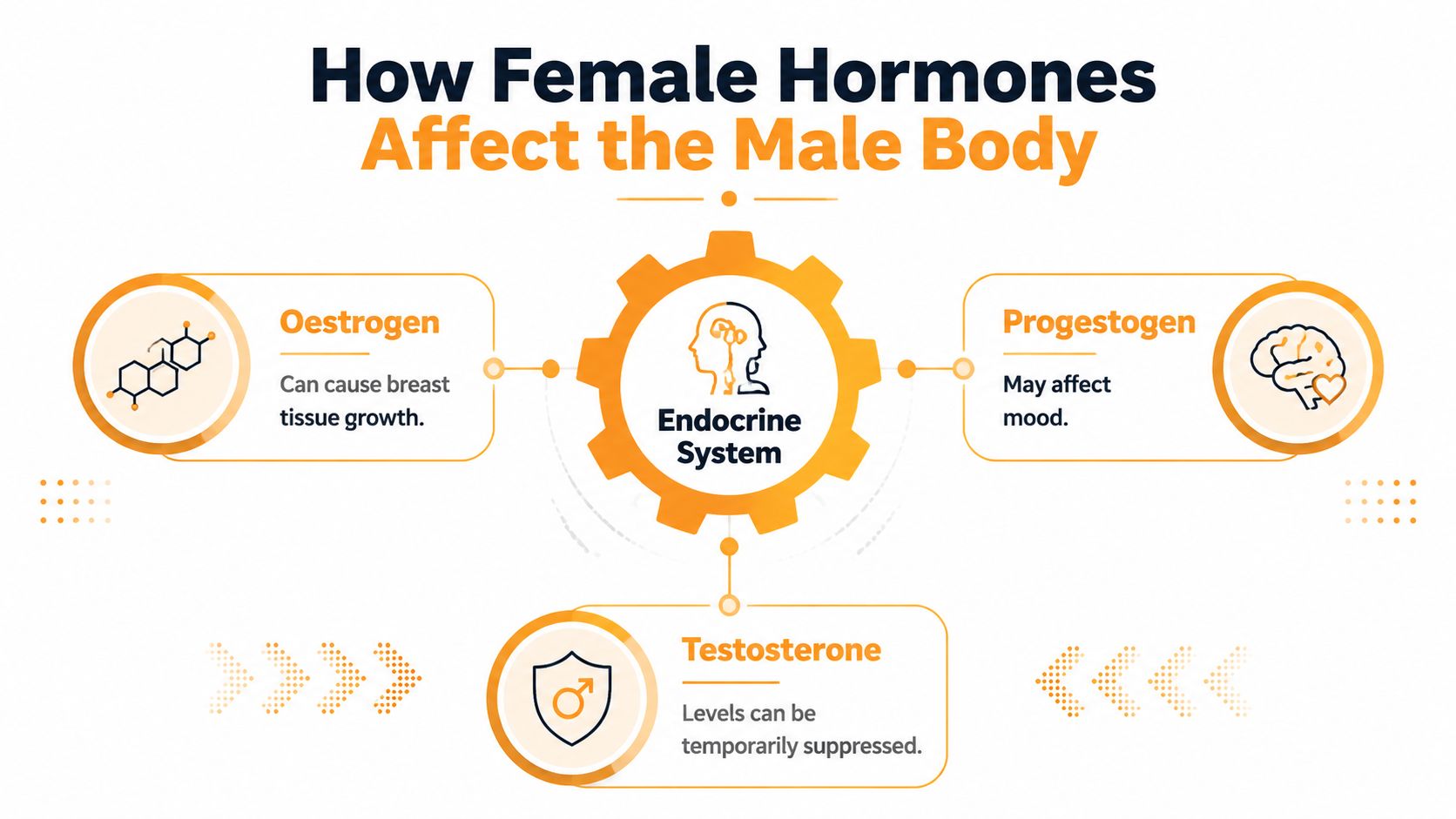
Oestrogen and progestogen can reduce the signals that normally tell the testes to produce testosterone and sperm. Possible effects include lower sex drive, mood changes, tiredness, acne or breast tenderness. The response varies, and these symptoms do not prove that reliable contraception has occurred.
Practical rule: Do not use someone else's contraception as an experiment or as a substitute for condoms.
Hormonal medicines can also cause headaches, nausea, mood changes, weight change, breast tenderness and acne. These effects often improve within about three months, but symptoms after repeated exposure should be discussed with a GP or pharmacist. NHS side-effects guidance
Some medicines used to delay periods, including norethisterone tablets, are hormonal medicines too. They are not male contraceptives. “Birth control” describes several different medicines, so the active ingredients and intended uses matter.
This article examines what happens if a guy takes birth control, focusing on accidental or repeated exposure to the combined pill. It also distinguishes that situation from experimental male contraceptives, which are designed to reduce sperm production rather than copy female contraception.
How female hormones affect the male body
The hypothalamic-pituitary-gonadal axis controls testosterone and sperm production through a feedback loop. The brain and pituitary gland send signals to the testes, while hormone levels feed information back to the brain. When external oestrogen or progestogen enters the body, the brain may reduce those signals because it detects more sex-hormone activity.
That can lower the stimulation needed for testosterone and sperm production. The effect is not an instant switch, and it varies with the medicine, dose, duration of exposure and individual health.
Combined oral contraceptives can also alter sex hormone-binding globulin, or SHBG. This blood protein attaches to sex hormones. If more testosterone is bound to SHBG, less remains free for tissues to use.
UK endocrine research found marked changes in women taking a drospirenone-containing combined pill. Total testosterone fell by 62%, free testosterone fell by 86%, and SHBG rose by 243% in that study. University of Stirling research
Those results came from women using a combined pill, so they cannot predict exactly what will happen in every man. They do show how sustained oestrogen and progestogen exposure can alter testosterone availability. A single accidental tablet is therefore different from repeated exposure, which gives the feedback system more time to respond.
Why this doesn't create reliable male contraception
Reduced testosterone does not automatically mean dependable contraception. A male contraceptive must suppress sperm production sufficiently and consistently to prevent pregnancy.
The female pill was developed for a different reproductive system and is not designed, tested or licensed as male contraception. Regular use might affect sperm production, but that response cannot be relied on.
Testosterone treatment is a separate issue. Testosterone replacement therapy is prescribed for specific medical reasons after clinical assessment. It is not contraception and may affect fertility itself.
Short-term and long-term side effects for men
The first effects may feel general rather than obviously hormonal. A person might develop nausea, a headache, breast tenderness, acne or a change in mood. These symptoms don't prove that a medicine has caused permanent harm, but they deserve attention if they continue.
NHS guidance says common effects from hormonal contraception often settle within about three months. A man shouldn't assume that every symptom will follow the same pattern, particularly if he keeps taking the tablets.
| Timeframe | Common effects | Typical duration |
|---|---|---|
| Single accidental dose | Often no noticeable effect; possible mild nausea or headache | Usually short-lived |
| Repeated exposure | Mood changes, breast tenderness, acne, tiredness or lower libido | May continue while exposure continues |
| Prolonged exposure | Sustained hormone disruption, possible breast tissue growth and reduced fertility | Needs medical review and may take time to settle |
Longer exposure can suppress natural testosterone activity. Possible effects include reduced libido, erectile difficulties, fatigue, mood changes and reduced sperm production. Prolonged hormone disruption may also contribute to gynecomastia, meaning breast tissue growth, and testicular size reduction.
A man who develops sexual symptoms shouldn't automatically assume he needs a testosterone product. Erectile dysfunction advice can involve many possible causes, including stress, medicines, circulation and hormone changes.
Two everyday examples
A gym-goer in Leeds accidentally takes his partner's combined pill after confusing it with his own supplement. One tablet is unlikely to cause lasting hormonal changes. He should avoid taking more, keep the packet available, and ask a pharmacist if he feels unwell or has taken other medicines.
A shift worker in Manchester considers using his partner's pills because he has read that they might “switch off” sperm. That approach isn't safe or reliable. Repeated exposure may cause side effects without giving him a tested level of pregnancy protection.
Pharmacist's tip: If accidental exposure happened once, focus on the facts rather than panic. If it happened repeatedly, write down the medicine name, dose and number of tablets, then contact a healthcare professional.
Male hormonal-contraception trials have reported acne, injection-site pain, weight gain, fatigue and mood changes among common adverse effects. In a trial using testosterone enanthate 200 mg weekly, reported discontinuation rates were 5.5% for injection-site pain, 3.3% for acne, 0.7% for weight gain, 0.3% for fatigue and 1.4% for mood changes including aggressiveness. Peer-reviewed trial review
That research concerns an experimental male contraceptive approach, not the combined pill. It still shows why male contraception needs careful dosing, monitoring and follow-up.
Experimental male contraceptives in the UK
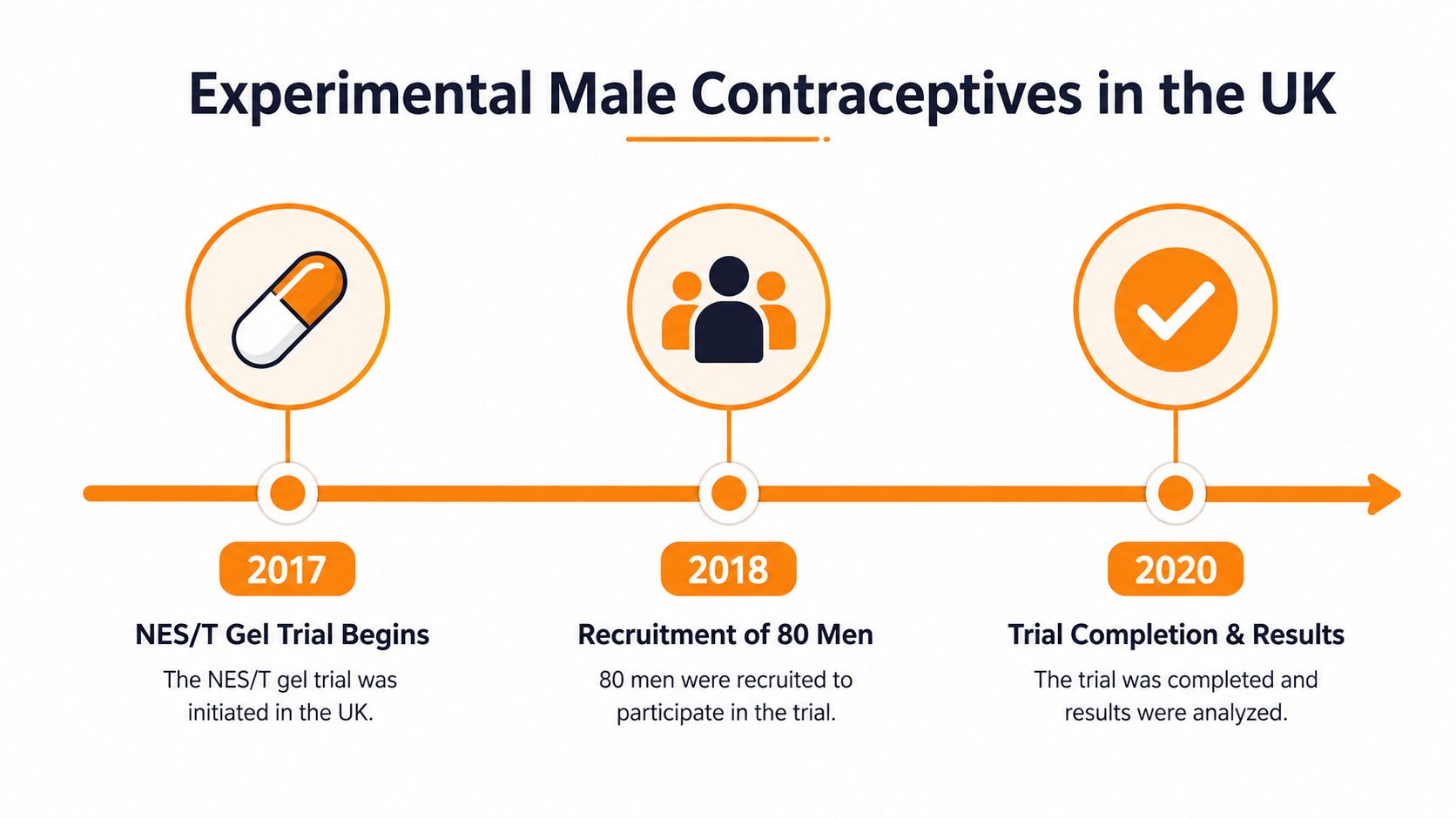
Could a male contraceptive gel prevent pregnancy without using the female pill? Researchers are testing that question by targeting sperm production directly. One UK study examined a daily gel containing NES/T, a combination intended to lower sperm production while aiming to preserve libido.
A UK-led trial recruited around 80 men in Manchester and Edinburgh in 2019. The wider international study involved about 450 couples, who used the gel as their only contraceptive method for 12 months. The UK Health Research Authority trial summary explains the study's purpose and design.
Those figures describe research participation, not NHS availability. The gel remains experimental, so men cannot request it as a routine prescription from a GP or pharmacy. It is also separate from accidental exposure to a partner's contraceptive pill, which does not provide tested male contraception.
Why research takes time
Reducing sperm counts in a controlled study is only one part of the test. Researchers must also assess correct daily use, couples' confidence in the method and how quickly fertility returns after treatment stops.
Participants need regular clinical checks, including sperm-count monitoring. Couples may also need to rely on the gel alone during the study period. That tests practical issues such as adherence, shared responsibility and willingness to attend frequent appointments.
A 2025 BPAS report notes that only condoms and vasectomy are currently available for men in the UK. It also discusses research into daily gels and experimental pills, while noting the need for monitoring and longer-term couple studies. Some weight-loss medicines, including Mounjaro and contraception, are discussed separately because medicine interactions can affect contraceptive advice.
Claims that a male contraceptive is “almost ready” can therefore mislead. Research feasibility is not the same as access.
For now, condoms provide a practical barrier method and help reduce sexually transmitted infection risk. Vasectomy is a permanent option for men who are certain they do not want biological children in the future. Neither involves taking the female pill.
Common myths about men taking birth control
Questions about hormones are understandable. Online claims often blur accidental exposure, experimental male contraception and the female pill, so the medicine and its intended use need separating.
Myth one, the pill works as male contraception
Fact: It does not. The combined pill prevents pregnancy by affecting ovulation, cervical mucus and the womb lining. Those actions do not occur in the same way in a male body. A man taking it may still produce sperm and cause pregnancy.
Myth two, one pill causes permanent feminising changes
Fact: One accidental dose is unlikely to cause lasting harm. Repeated exposure can produce hormone-related symptoms and should be discussed with a pharmacist or clinician.
Breast tenderness or a mood change can feel worrying, but neither symptom automatically means permanent breast growth or irreversible fertility loss. Stop taking medicine that was not prescribed for you. Seek advice if symptoms continue.
Myth three, male birth control is immediately dangerous
Fact: The level of concern depends on the medicine, amount taken, duration of exposure and the person's health. A single accidental dose is generally less concerning than repeated use. Combined hormonal medicines do carry a small, clinically important risk of blood clots, which is why screening is used before prescribing them. The NHS explains these risks in its hormonal contraception risk guidance.
Myth four, a consumer product is just around the corner
Fact: UK research shows progress, not immediate availability. Trials still need to establish how reliably sperm production is suppressed, how fertility returns, what side effects occur, and whether couples can use the method consistently.
Experimental male contraceptives are not the same as taking a female pill. No licensed male hormonal contraceptive currently exists in the UK. Treat social-media advice as a question for a pharmacist or clinician, not as a prescription.
When to seek medical advice
What should you do if a man takes a contraceptive pill by accident? A single tablet usually does not require emergency treatment solely because of that exposure. Do not take any more, and keep the packet so a pharmacist or clinician can identify the medicine.
Contact a pharmacist, GP or NHS 111 if tablets were taken repeatedly, the person has another health condition, uses other medicines, or feels unwell. Ongoing mood changes, breast swelling, unexplained tiredness, persistent headaches or a clear fall in libido need a proper review. These symptoms can have several causes, so avoid assuming that hormones are responsible.

Get urgent medical help for possible blood-clot symptoms, such as sudden chest pain, sudden breathlessness, coughing blood or painful swelling in one leg. Call 999 for severe or rapidly worsening symptoms.
A pharmacy team can discuss accidental hormone exposure confidentially. Give the medicine name, the number of tablets, when they were taken and any symptoms. Tablet colour or shape is not enough to identify a medicine safely.
After one accidental dose, a clinician may decide that tests are unnecessary. Repeated exposure may call for a review of symptoms, medicines and hormone health. Male hormone health-check information explains the type of assessment someone might ask about, although it cannot replace a face-to-face clinical decision.
The following video offers another way to understand the question. Read the written advice too, because risks and symptoms vary between medicines and people.
Pharmacist's tip: There is no need to feel embarrassed. Medication mistakes happen, and accurate details help the pharmacy team give safer advice.
Key takeaways and frequently asked questions
Five points to remember
- The female combined pill won't prevent pregnancy for a man.
- One accidental tablet is unlikely to cause lasting harm.
- Repeated use can disrupt testosterone and sperm-related hormone signals.
- Side effects may include mood changes, tiredness, acne, lower libido and breast tenderness.
- UK male hormonal contraceptives remain experimental, so use condoms or discuss established options with a clinician.
Can a man take the mini pill?
The mini pill contains progestogen without oestrogen, but it still isn't licensed as male contraception. It won't provide dependable pregnancy prevention for a man, and repeated exposure may still affect hormone signals. Ask a pharmacist before taking any medicine that wasn't prescribed for you.
What if a transgender man takes birth control?
A transgender man may need contraception if he can become pregnant. Testosterone doesn't reliably prevent pregnancy, so he should discuss suitable options with a GP or sexual-health clinician. The best choice depends on anatomy, medicines, personal preference and health history.
Do herbal products work as male contraception?
Don't rely on herbal products to prevent pregnancy. They haven't established the reliable, regulated contraceptive effect needed for this purpose, and they may interact with prescribed medicines.
Is male birth control available in the UK?
Condoms and vasectomy are currently available male contraception options in the UK. Hormonal gels and pills remain in research rather than routine NHS care. [1]
Can birth control pills change a man's body?
Repeated exposure can alter hormone balance and may cause effects such as lower libido, mood changes, breast tenderness, acne or fatigue. A single accidental dose is unlikely to create permanent changes, but persistent symptoms need medical advice.
Disclaimer: This article is for information only. It isn't a substitute for advice from a GP, pharmacist, sexual-health clinic or other qualified healthcare professional.
How this content was created: This article uses NHS guidance, the UK Health Research Authority trial summary, UK endocrine research, a peer-reviewed male-contraception review and the BPAS contraception report. A qualified clinician should review individual symptoms and medicine choices before treatment decisions.
Suggested internal links for readers
- Testosterone replacement therapy
- Erectile dysfunction treatment information
- Male hormone health checks
- Norethisterone tablets
Suggested visual ideas
- A painterly, steampunk-inspired diagram using bright lime green, pale yellow-green and light grey, with ornate brass plaque overlays. Alt text: “Hormone signals between the brain and testes after exposure to oestrogen and progestogen.”
- A brass-and-lime timeline showing experimental male contraception research and clinical monitoring. Alt text: “UK male contraceptive gel research timeline with sperm-count monitoring.”
- A myth-busting card layout with crossed-out pill icons and pale yellow-green fact panels. Alt text: “Common myths and facts about men taking female birth control pills.”
Byline: Medical Mojo editorial team, patient education writers.
Clinical review: To be reviewed by a UK-registered pharmacist or prescriber before publication.
References
[1] UK Health Research Authority (n.d.) Male contraception study. Available at: HRA research summary
National Health Service (n.d.) Combined pill side effects. Available at: NHS combined pill guidance
National Health Service (n.d.) Side effects and risks of hormonal contraception. Available at: NHS hormonal contraception guidance
University of Stirling (n.d.) Research publication on combined oral contraception and androgen levels. Available at: University of Stirling research record
Peer-reviewed review (n.d.) Male hormonal contraception and adverse effects. Available at: PubMed Central review
BPAS (2025) Contraception report. Available at: BPAS report PDF
Courier Pharmacy offers confidential online consultations, prescription and over-the-counter medicines, and hormone-related health checks reviewed by qualified clinicians. Visit Courier Pharmacy to discuss your symptoms or find a suitable, medically supervised next step.


